

Thalassemia Screening:
Early Testing, Informed Families
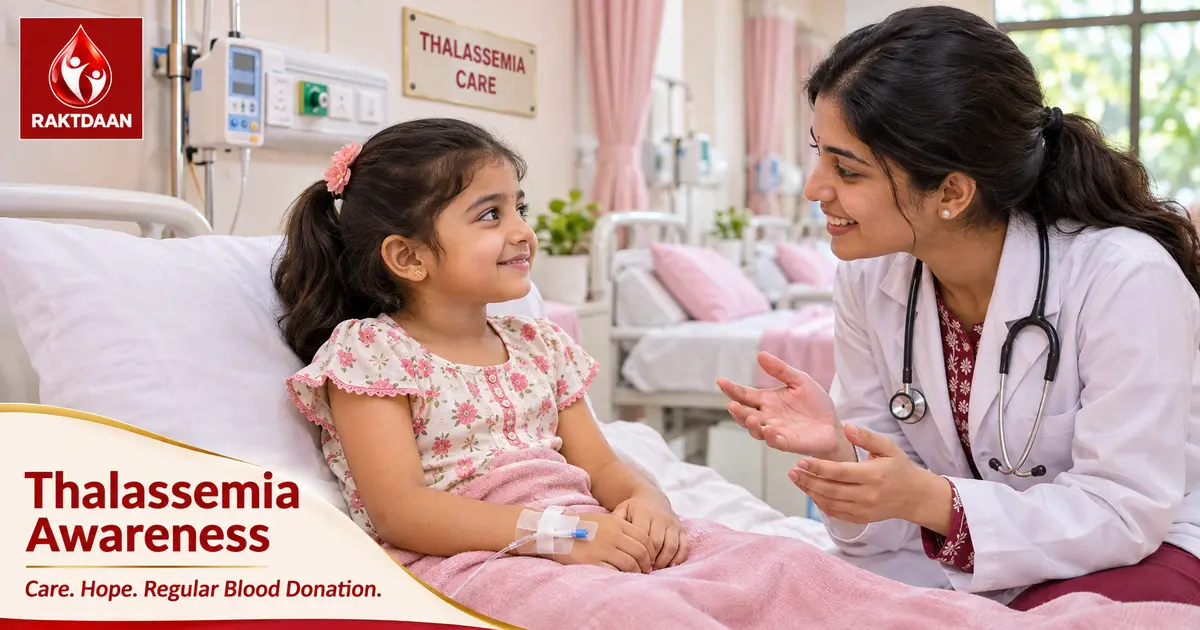
A child’s future deserves informed care, timely diagnosis and compassionate support. Thalassemia screening helps identify people who may carry an inherited haemoglobin condition, even when they feel healthy. It also helps guide further investigation when a child or adult has unexplained anaemia. Screening is an opportunity to understand risk and seek advice, never a reason to blame a family or label a child.

What does screening look for?
Thalassemia affects the production of haemoglobin, the protein that carries oxygen in red blood cells. Carrier status and clinically significant disease are different. Many carriers have few or no symptoms; more severe forms can require continuing specialist care. Screening looks for possible carrier status or disease, while diagnosis establishes what the findings mean. A screening result alone does not always provide a final diagnosis. [1,2]
Who should discuss testing?
Testing can be relevant to adolescents, adults planning a family, pregnant women and relatives of someone with thalassemia. Discuss carrier screening before pregnancy, or early in pregnancy, with a qualified clinician. When one partner is identified as a carrier, the other partner may need testing. Counselling should explain the implications privately and respectfully, with informed consent and freedom to make personal decisions. [1,3]

How are children assessed?
For children, the starting point is a paediatric assessment. Persistent paleness, unusual tiredness, poor growth or a family history can prompt investigation, but these findings have several possible causes. The doctor considers the child’s age, symptoms and previous reports before choosing tests. Newborn testing and testing an older child are not interchangeable: haemoglobin patterns change with age, and some carrier states can be missed by newborn screening. [1,2]
CBC: the starting information
A complete blood count, or CBC, measures haemoglobin and provides information about red blood cells, including their size. Small red cells may raise suspicion, but iron deficiency can produce similar findings. Doctors may request iron studies and other investigations. A blood-group report, a routine haemoglobin reading or a low haemoglobin result alone cannot establish thalassemia. Do not start iron supplements solely because a report suggests anaemia; ask a clinician to assess the cause. [2,4]
HPLC and further testing
Haemoglobin analysis, commonly using HPLC or electrophoresis, examines the types and proportions of haemoglobin. It helps identify beta-thalassemia carriers and other haemoglobin variants. Results need interpretation alongside the CBC, age and clinical history. Unclear findings and suspected alpha-thalassemia may require specialist review and genetic testing. Tell the team about previous transfusions and bring earlier reports, because clinical context matters when planning and interpreting investigations. [1,2,4]
What happens after a result?
An abnormal or uncertain result should lead to explanation, not panic. A haematologist or genetic counsellor can clarify carrier status, recommend appropriate family testing and discuss reproductive options. Where both partners carry relevant gene variants, specialist counselling explains the risks for each pregnancy. Prenatal diagnosis is a separate, specialist pathway; it is not simply another routine blood test for the mother. [1,3]
Screening, cross-matching or HLA?
Three processes must remain distinct. Thalassemia screening identifies possible inherited haemoglobin conditions. Pre-transfusion compatibility testing, including cross-matching, checks whether selected donor red cells are suitable for a particular patient. HLA typing compares tissue markers when a stem-cell or bone-marrow transplant is being considered. HLA matching is different from matching a blood group, and a possible match alone does not establish transplant eligibility or guarantee success. [5,6]
Awareness in schools and camps
Schools and colleges can build understanding through age-appropriate talks, poster and painting competitions, quizzes and conversations with health professionals. Blood-donation camps can include a separate awareness desk explaining carrier testing and referral options. Education should never become public disclosure of a student’s carrier status. Any testing programme needs trained clinical partners, appropriate consent, confidential reporting and a clear route for follow-up, including parent or guardian involvement where required.
Put families’ interests first
From a patient and consumer-welfare perspective, families deserve understandable information: which test is proposed, why it is needed, its limitations, likely charges and where results will be reviewed. Organisers should avoid guaranteed-cure claims and pressure to buy unnecessary packages. Awareness activities are valuable only when they support informed choices and practical access to competent care. Families should be able to ask questions, understand available options and receive guidance without fear, stigma or commercial pressure.
RAKTDAAN’s community role
RAKTDAAN’s Thalassemia-Free India mission can connect awareness with community action: explain screening clearly, encourage consultation with qualified services and motivate eligible volunteers to donate through licensed blood centres. Donor registration and blood-request forms serve a different purpose from clinical screening; they should not be treated as diagnostic tools or HLA donor registries. Awareness should help families seek timely advice, preserve their dignity and stay connected with appropriate medical care.