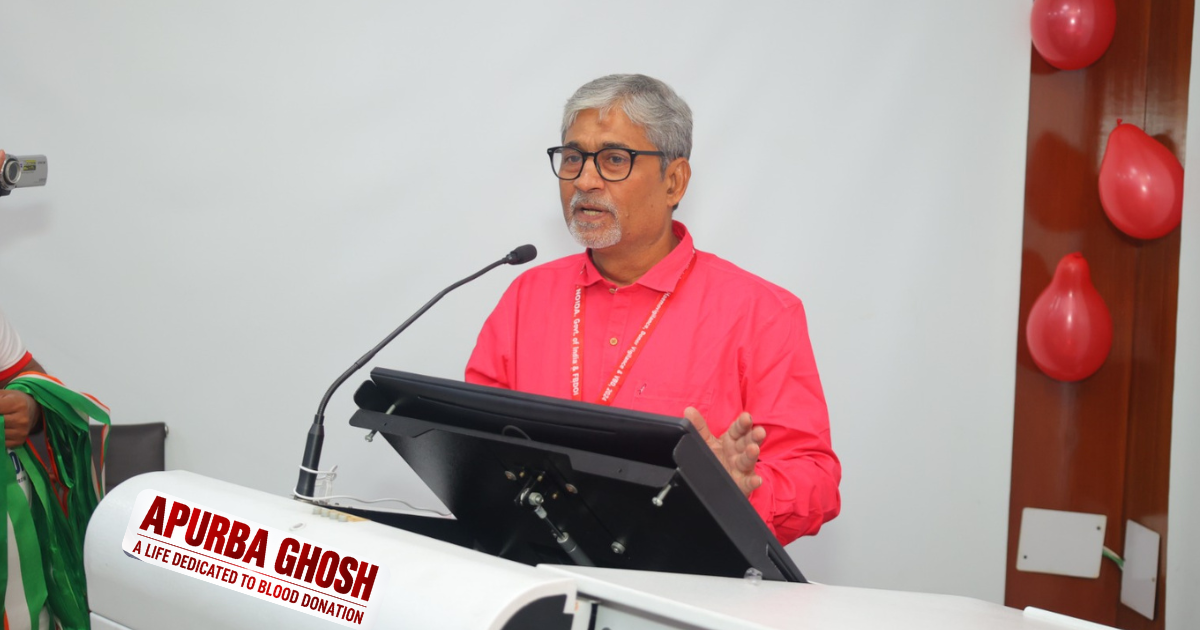


RAKTDAAN.APP • SIGNATURE LEGACY BIOGRAPHY
A LIFE DEDICATED TO SAVING LIVES
APURBA GHOSH
Centurion Blood DonorBlood Donation MotivatorSocial Worker
Secretary General
Federation of Blood Donor Organizations of India
An inspiring life dedicated to voluntary blood donation, public awareness and service to humanity for more than five decades.
50+Years of Service
1972Blood Donation Journey Began
130Blood Donations — According to News Reports
HumanityA Life’s Purpose
When a family’s pain becomes a responsibility towards society, it can inspire a journey of service that touches many lives. Apurba Ghosh’s life tells just such a story of compassion, sustained effort and dedication to voluntary blood donation.
00 / LIFE & INTRODUCTION
A Life Dedicated to Humanity
Apurba Ghosh of Kolkata has devoted more than five decades to voluntary blood donation, donor motivation and public awareness. As the Founder of the West Bengal Voluntary Blood Donors Forum and Founder and Secretary General of the Federation of Blood Donor Organizations of India, he has helped bring individuals, communities and organisations together around a shared purpose: ensuring that people in need of blood are not left without support.
His commitment grew from a deeply personal loss. According to his account in The Tribune, his father died after blood could not be arranged in time. That experience inspired him to begin donating blood in 1972 and organise his first voluntary blood donation camp in 1975. Over the years, his work expanded into awareness rallies, donor networks, educational programmes and support for families affected by thalassemia.
His journey also includes participation in NACO committees and expert discussions on India’s National Blood Policy, alongside national and international efforts to strengthen voluntary blood donation. His story reflects the lasting contribution of a committed community organiser who turned personal grief into service for others.
From Personal Loss to Service to Humanity
It is difficult to put into words the anxiety of a family waiting outside a hospital when a loved one urgently needs blood. As time passes, their worry deepens. At such a moment, help from an unknown blood donor can become a source of hope.
Apurba Ghosh of Kolkata experienced this pain at close quarters. According to the available news account, his father was ill and needed blood. Blood could not be arranged in time, and he passed away. This loss left a profound impression on him.
The sorrow of losing his father did not remain merely a memory. He felt that timely arrangements for help could preserve hope for other families. With this conviction, he chose to donate blood himself and encourage others to do the same.
The beginning of his journey shows how a commitment to service can sometimes grow out of deep personal pain. Transforming that pain into compassion for others is a difficult yet deeply humane choice.
1972: The Beginning of a Commitment
According to a news report, Apurba Ghosh began donating blood in 1972 after joining college in Kolkata. For him, it was more than participation on a single occasion. It reflected a desire to stand beside those in need—a commitment he wanted to carry forward throughout his life.
Alongside becoming a donor himself, he recognised the need to improve public understanding. People had many concerns about donating blood. Some worried about their health, while others hesitated because they lacked sufficient information.
He sought to speak with people, listen to their concerns and explain the importance of voluntary blood donation. By setting a personal example, he worked to build trust. This continuing dialogue became an important feature of his journey of service.
The First Camp and Growing Community Support
The year 1975 marked an important milestone. According to published accounts, he organised his first voluntary blood donation camp during Diwali in his native Barasat area. The available Hindi news report states that 52 people donated blood at that camp.
Every camp depends on many small but essential tasks. These include informing the community, motivating donors and coordinating arrangements with the relevant blood centre. A successful event builds confidence and enthusiasm for future efforts.
News reports about Apurba Ghosh mention the organisation of more than 70,000 camps. This extensive journey has also involved the support of local organisations, organisers, volunteers and blood donors. These efforts have sought to bring more people into voluntary blood donation.
The greatest achievement of any camp is the willingness of people to help patients they do not know, even when no acquaintance of their own needs blood. This spirit makes blood donation a shared social responsibility.
Leading by Example as a Blood Donor
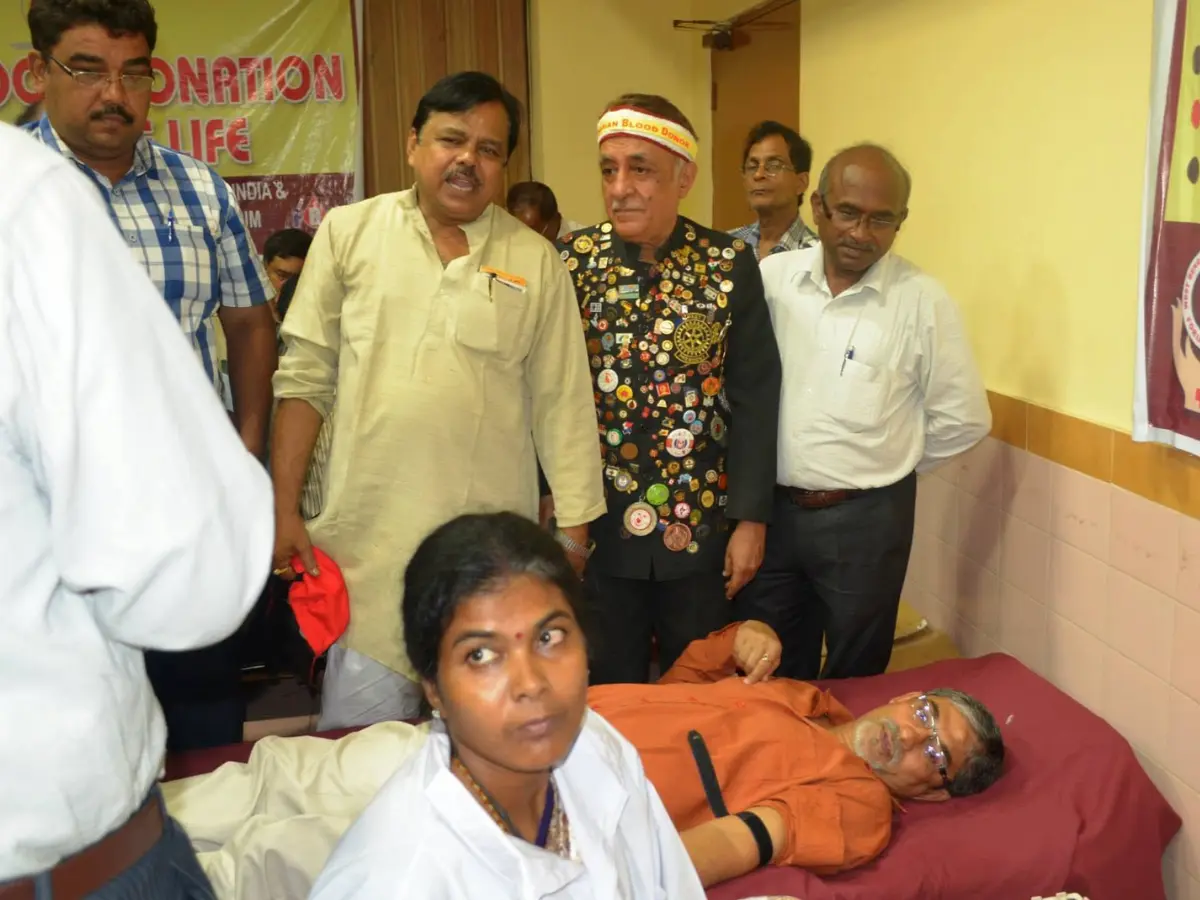
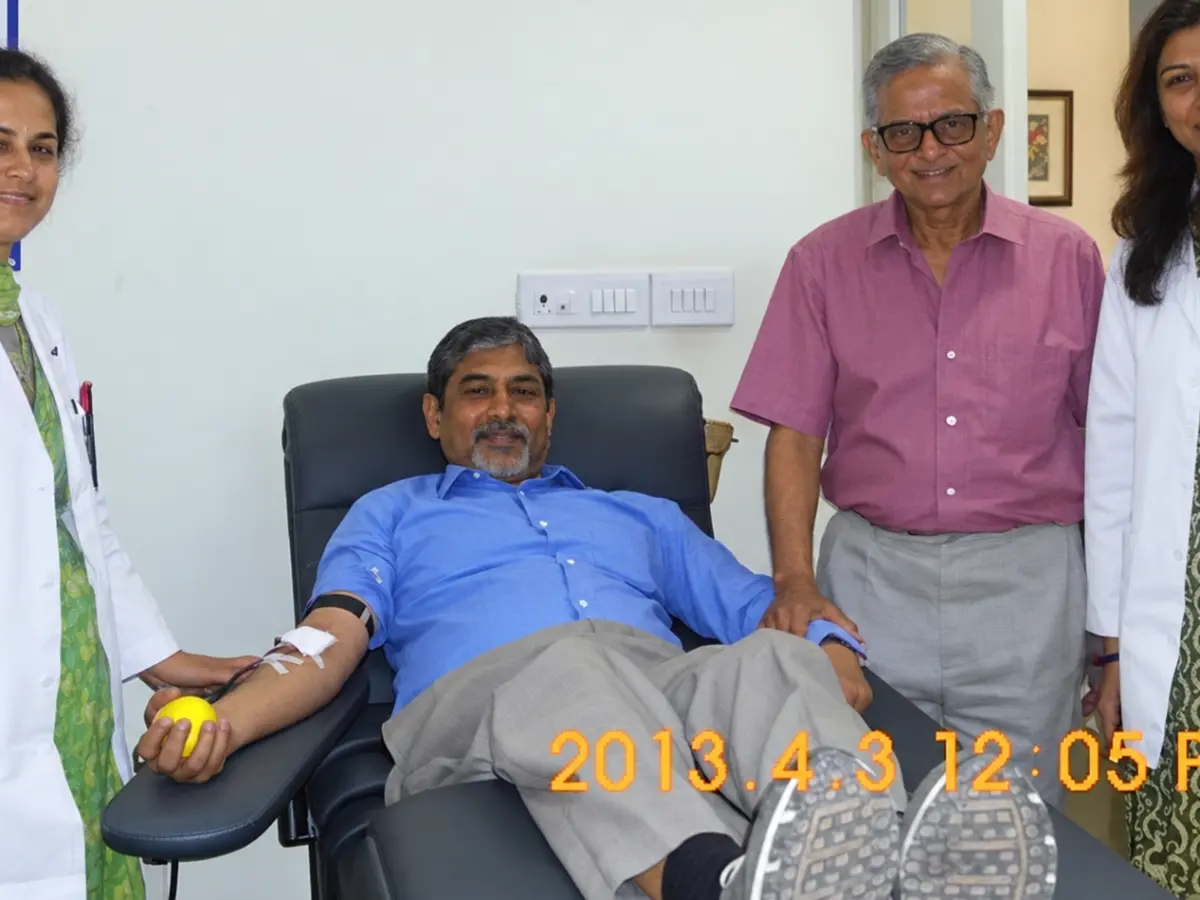
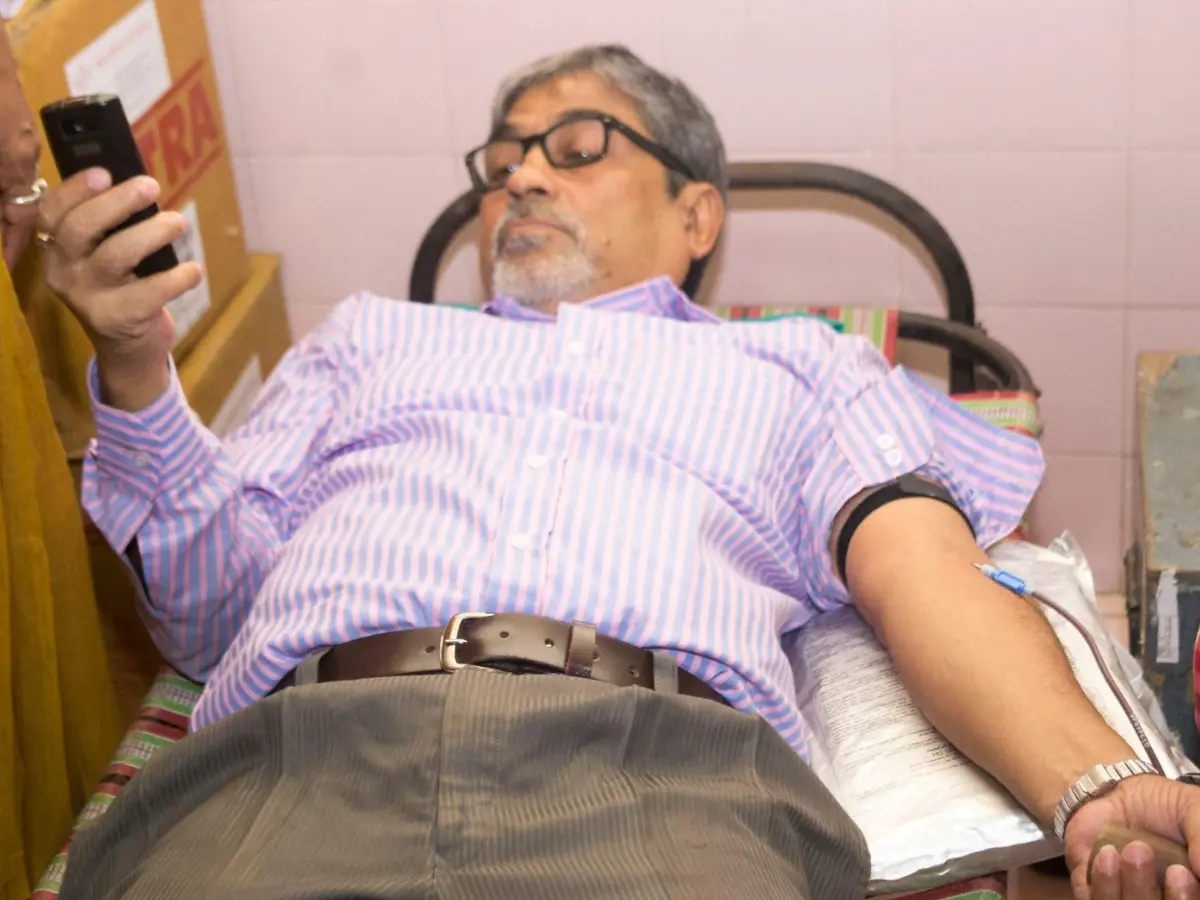
Alongside encouraging others, Apurba Ghosh has personally contributed as a blood donor. Available news reports mention that he has donated blood 130 times. This is a significant reflection of his personal commitment.
When a person puts their message into practice, their words inspire trust. His efforts help people understand that service to society can begin with individual action.
Blood donation requires adherence to donor eligibility criteria and the guidance of the blood centre. Respecting safe procedures, alongside showing compassion, is part of responsible service.
Strengthening the Movement Through Organisation
Sustaining a service initiative over many years requires bringing people together. Recognising this need, Apurba Ghosh made organisational work an important part of his journey.
According to news accounts, in 1988 he founded the West Bengal Voluntary Blood Donors Forum. This platform advanced awareness of voluntary blood donation and encouraged people to become donors.
He has also been associated as a founder with the Federation of Blood Donor Organizations of India and serves as its Secretary General. His work has involved strengthening cooperation among individuals and organisations serving in different regions.
The value of an organisation is also reflected in the relationships it nurtures. The experience of local workers, the dedication of volunteers and the trust of donors together provide a strong foundation for a movement.
A Community Voice in National Blood Safety Reform
The significance of Apurba Ghosh’s work extends beyond the organisation of camps. According to Dushyant Singh Pundir’s report in The Tribune, dated 25 February 2026, he was the only non-medical member to serve on all eight committees constituted by the National AIDS Control Organization (NACO) following the Supreme Court of India’s landmark judgment on blood safety reforms.
The same report records his contribution to expert committees involved in drafting India’s National Blood Policy. This brought the experience of voluntary donor mobilisation into discussions about the country’s blood donation system. His contribution was part of a collective process involving institutions and specialists; it should not be understood as sole authorship of the policy.
This chapter adds another dimension to his service: the concerns encountered among donors and families could also be represented in national discussions. A movement grows stronger when practical community experience and institutional expertise have opportunities to inform one another.
Taking the Cause to Prime Minister Atal Bihari Vajpayee
The Tribune also recounts an important advocacy effort described by Ghosh. He said that he arranged a meeting with the then Prime Minister, Atal Bihari Vajpayee, to advocate reforms that would strengthen voluntary blood donation systems in India.
According to that account, he was accompanied by five Members of Parliament from West Bengal, together with Kanta Krishen, Dr. Manmohan Kaur, M. L. Sarin and Dr. P. L. Dhand. The meeting illustrates his efforts to take the cause beyond local programmes and place it before national leadership.
The report does not establish a particular policy decision as a direct result of this meeting. Its importance in his biography lies in the sustained effort to give voluntary blood donation a place in public discussion and institutional attention.
Sharing Knowledge with Future Doctors
Despite his non-medical background, Ghosh has also contributed to education. The Tribune reports that he has been teaching medical students across West Bengal about voluntary blood donation and blood science.
His involvement connects years of public engagement with the learning of future healthcare professionals. Motivating a donor requires listening as well as explaining: people bring questions, fears and assumptions that deserve a patient response. Experience gained through community work can offer a valuable perspective on these conversations.
This educational contribution complements his books, broadcasts and awareness journeys. Together, they reflect an effort to carry knowledge beyond one event and encourage others to continue the work.
Blood Donation as Service, Not a Commodity
A central conviction in the Tribune interview is his opposition to the sale of blood. The report describes his call for a ban on private blood banks, nationalisation of blood banks and a stronger emphasis on voluntary donation.
These are Ghosh’s stated proposals, rather than an announcement of government policy. They express his concern that voluntary blood donation should remain rooted in human need and service.
For readers of his life story, this conviction connects back to the loss that began his journey. His sustained concern is for families seeking help, and for a society willing to respond through organised, voluntary participation.
Continuing a Commitment to Public Service
According to the information shared by the biography’s author, Apurba Ghosh remains actively involved in work associated with WHO, NBTC, NRHM and IRCS. Drawing on more than five decades of experience, he continues to encourage voluntary blood donation, motivate donors and strengthen public awareness. His dedication inspires support for people in need and a lasting spirit of service.
Rallies and Journeys: Taking Awareness to the People
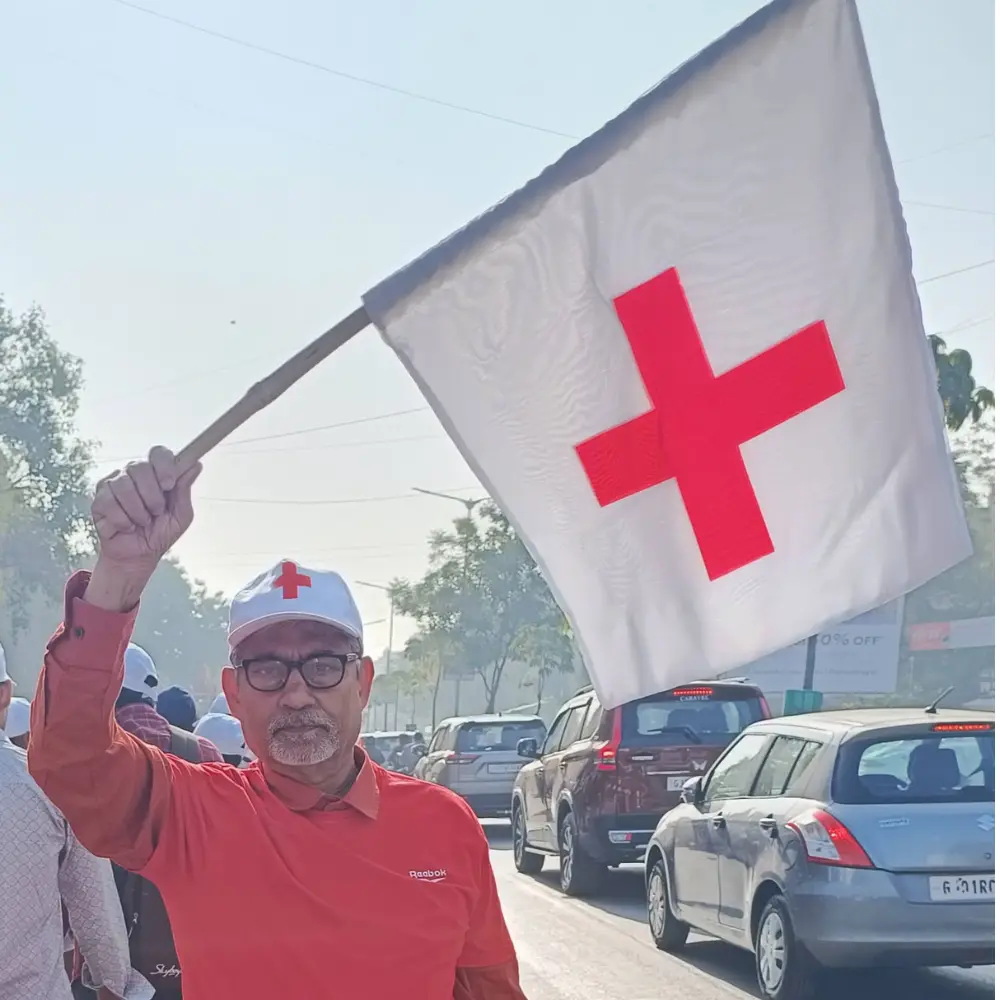
Apurba Ghosh also used rallies and journeys to take the message of blood donation beyond meeting halls and into communities. These efforts aimed to draw public attention to the need for voluntary blood donation.
A news report mentions a motorcycle rally from Kolkata to Delhi and back in 1989. It also describes a 49-day journey in 1994 connecting cities including Kolkata, Chennai, Mumbai and Delhi.
Such journeys offer opportunities to meet local workers, share experiences and inspire a spirit of service. Every stop opens a new conversation and brings more people into the cause.
Photographs of cycle rallies and candlelight events reflect this same commitment to public awareness. They convey messages of hope, cooperation and social responsibility.
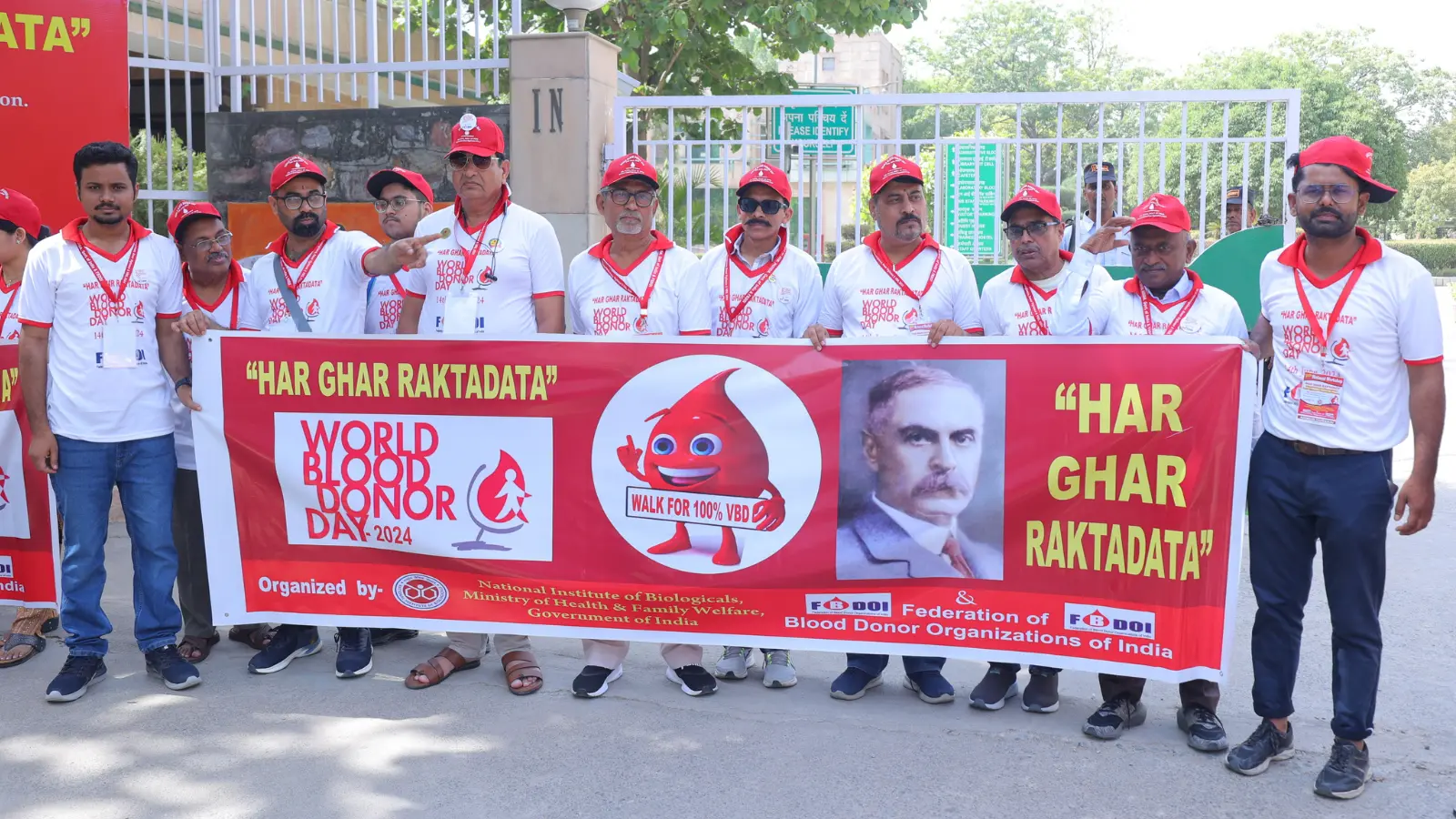
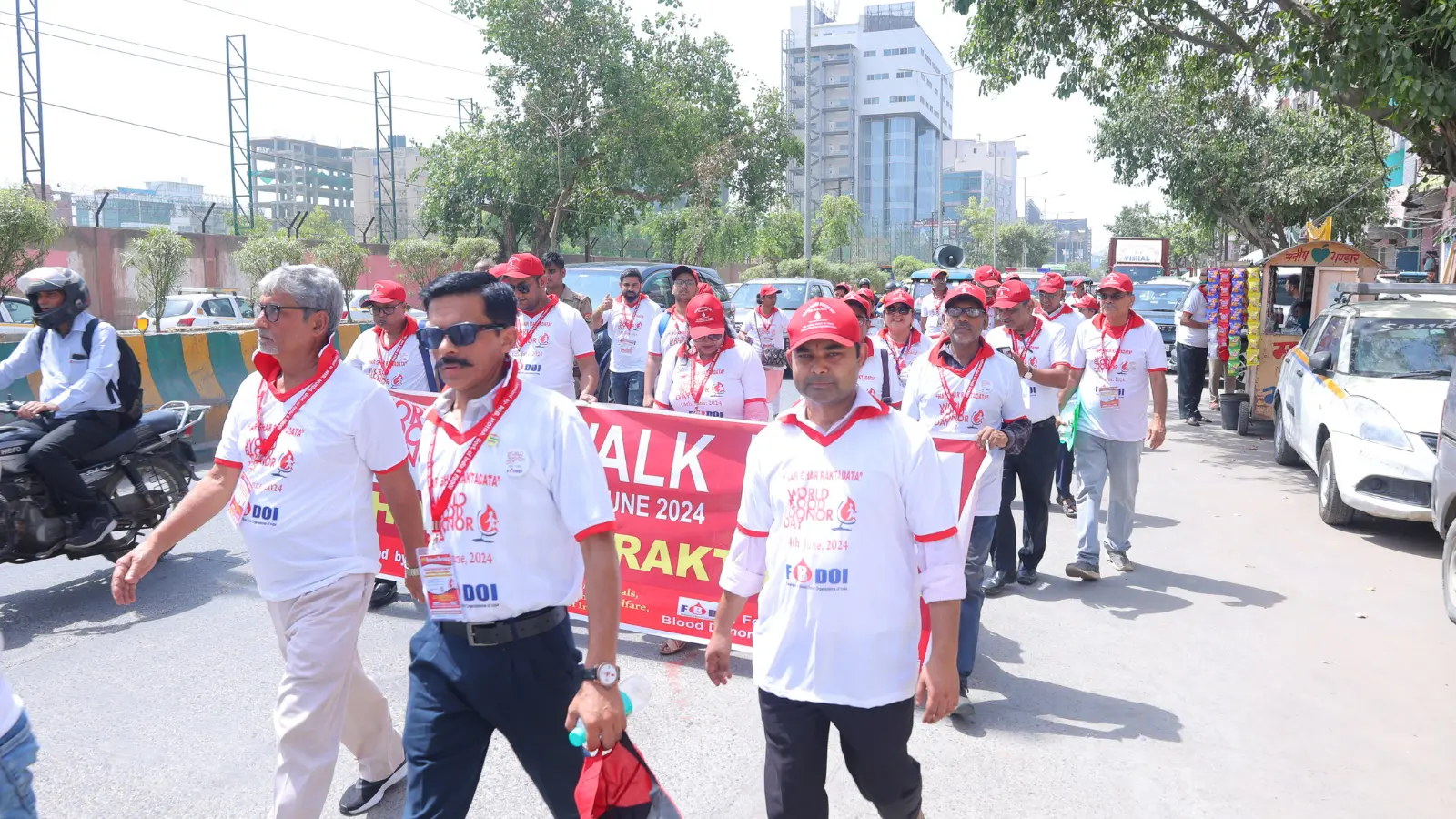
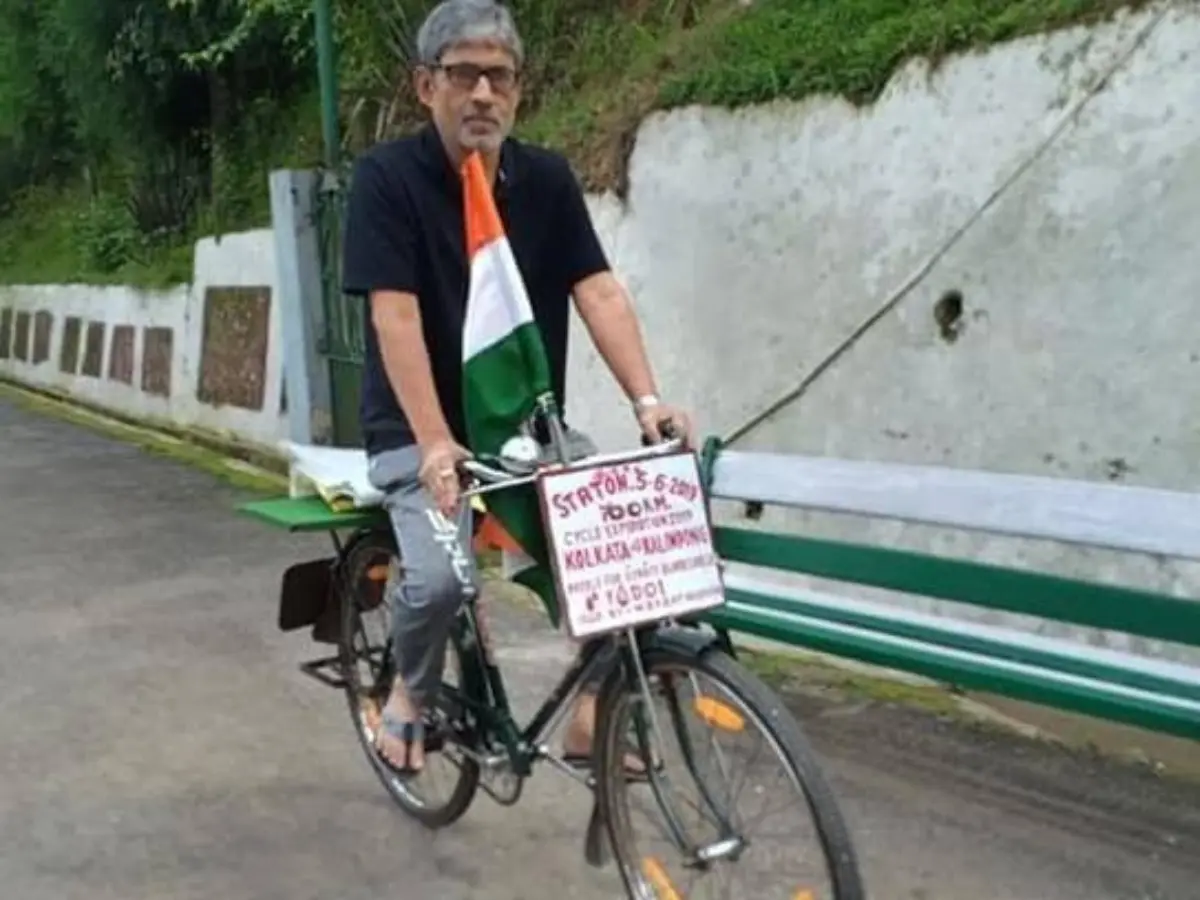
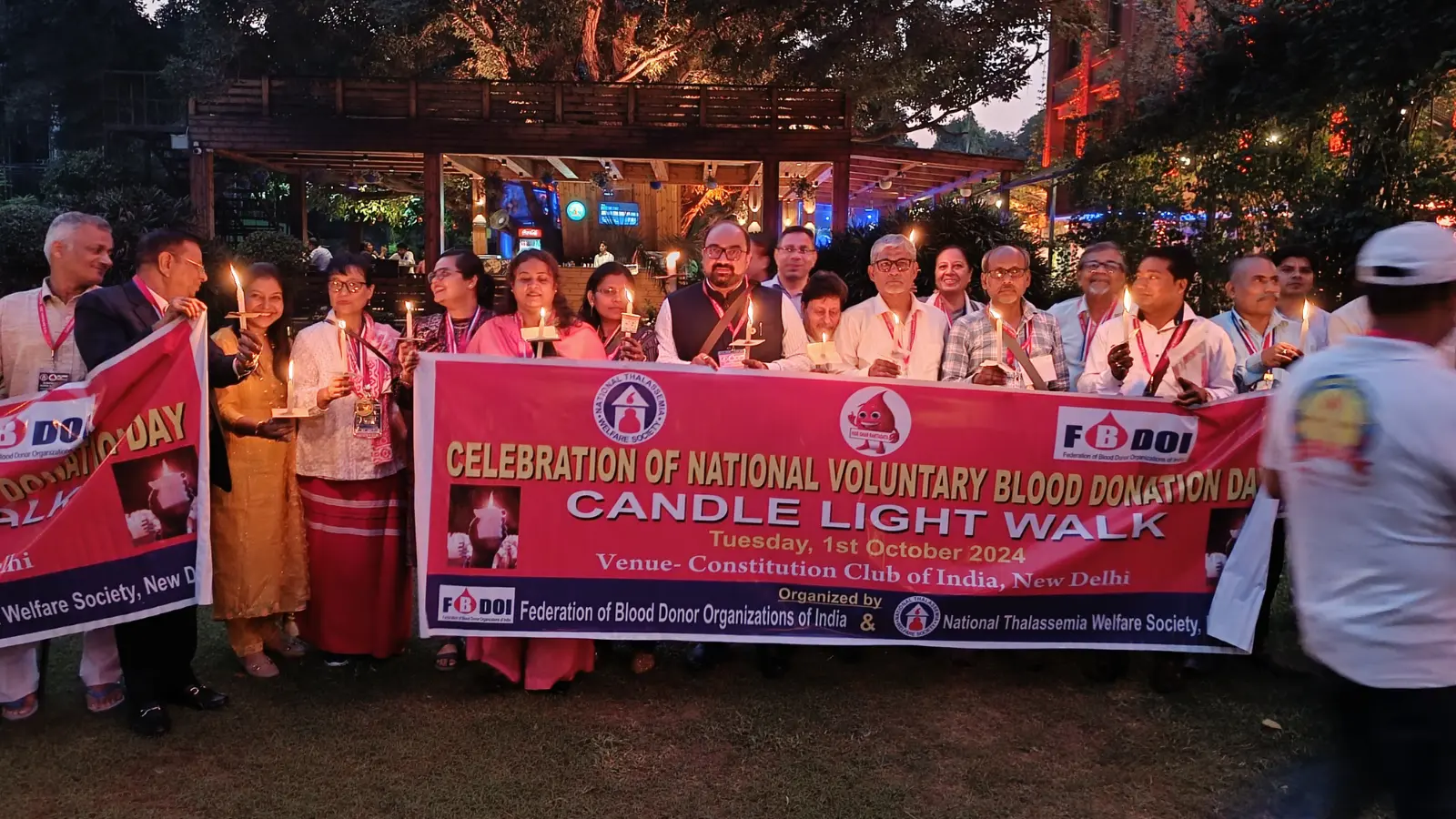
The Tribune adds that the 1989 Kolkata–Delhi return rally involved 50 motorcycles. It also describes campaigns reaching from Assam to the Wagah Border, from Cuttack to Moirang, and across every district of West Bengal. These journeys used public visibility to draw attention to safe, voluntary blood donation.
Service and Cooperation Across States
The need for blood transcends region, language and identity. With this understanding, Apurba Ghosh’s journey became connected with blood donation camps and awareness programmes across different Indian states.
Working conditions may differ from one region to another, but a shared commitment to service brings people together. Working with local organisations and encouraging volunteers has been an important part of this journey.
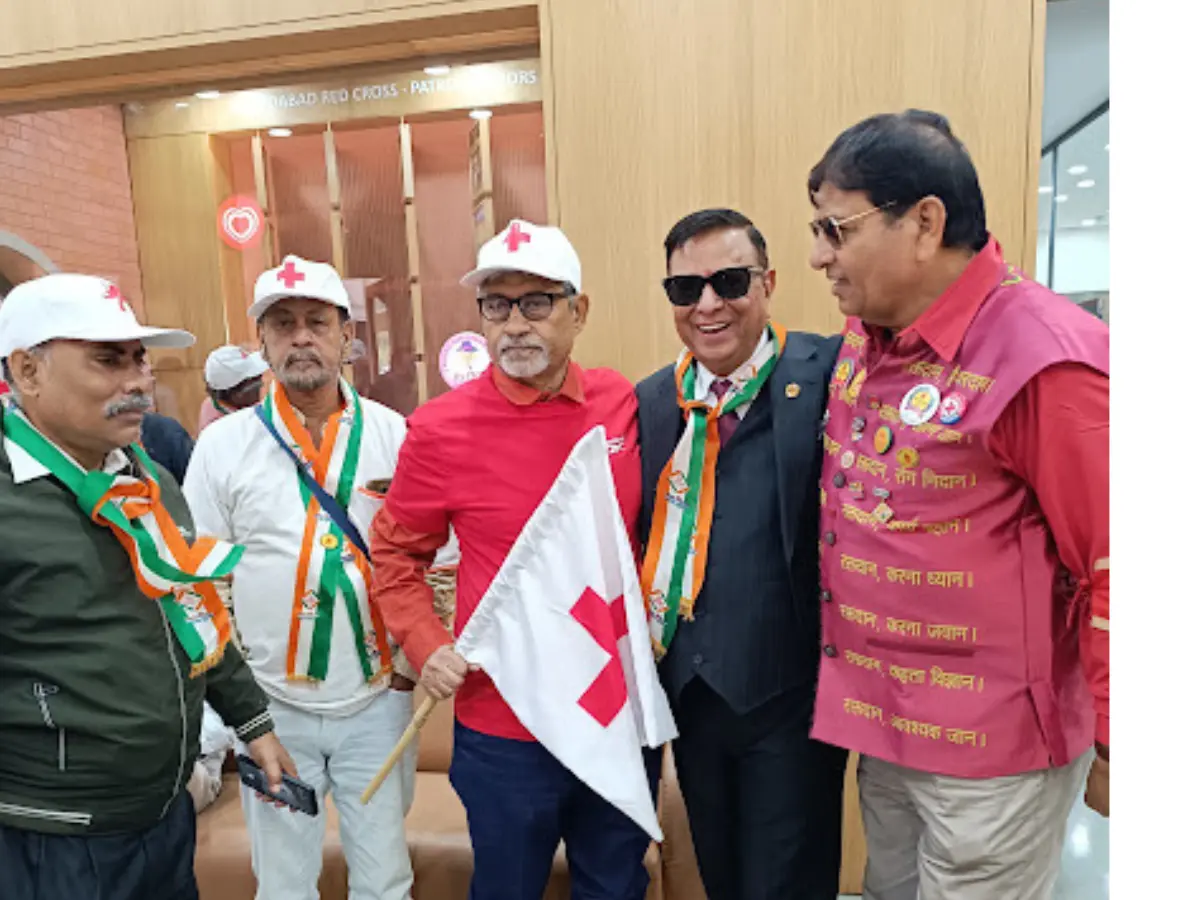
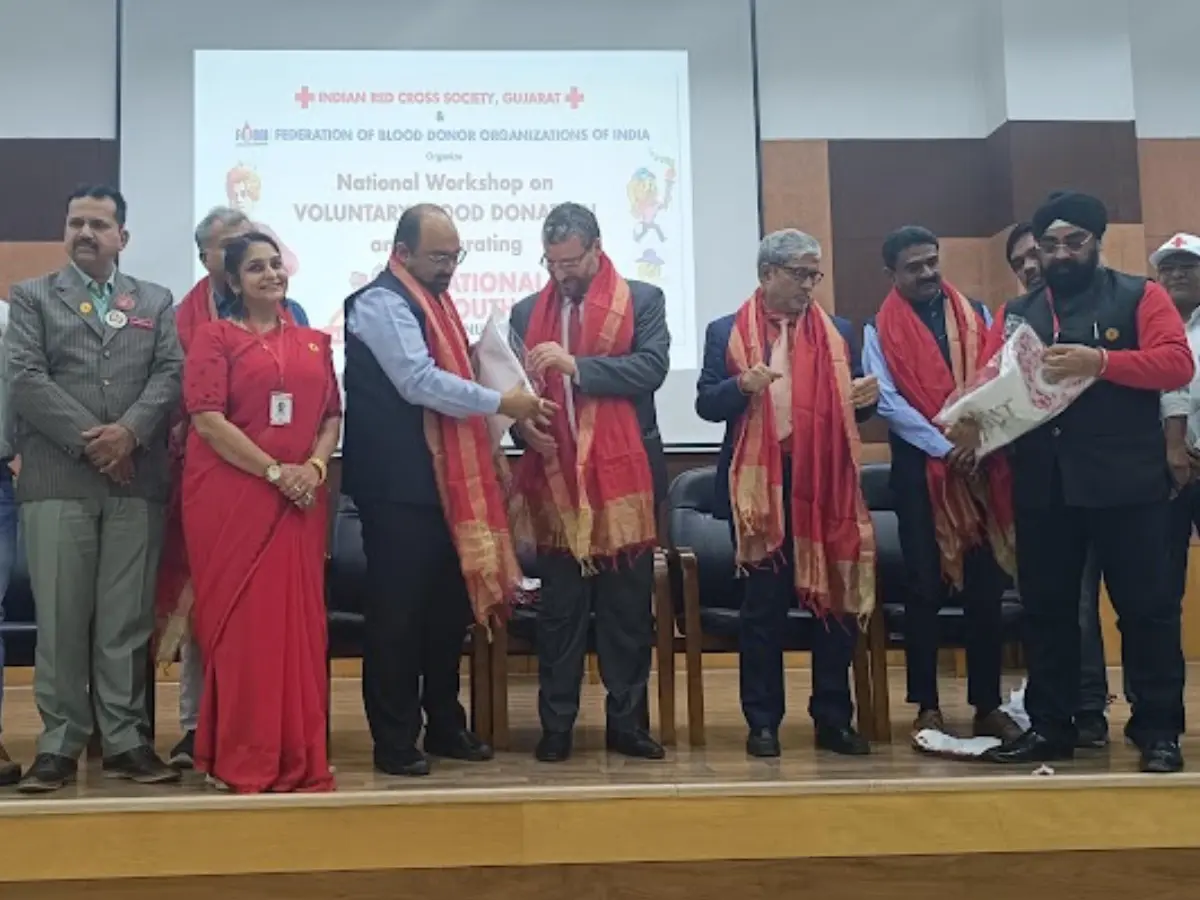
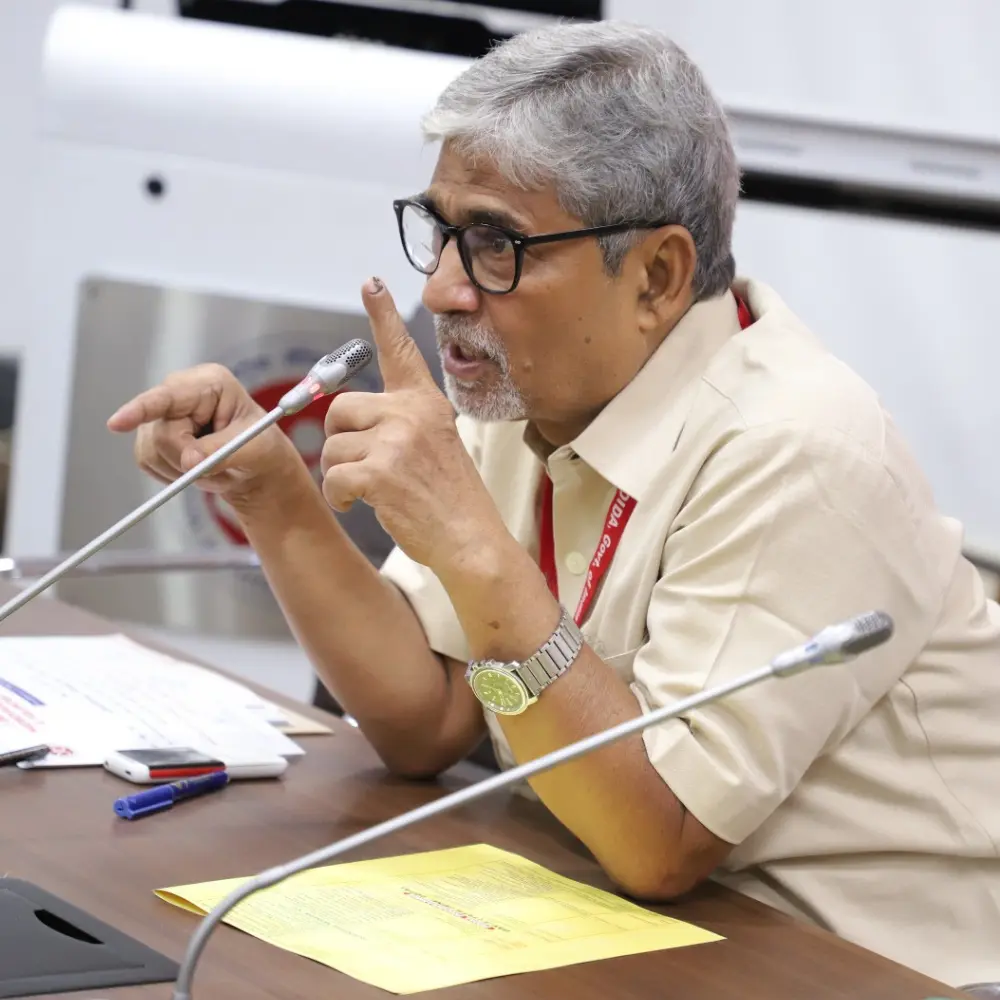
Photographs of programmes associated with the Indian Red Cross Society in Ahmedabad preserve memories of this participation. Such occasions allow people working in blood donation to exchange experiences and strengthen cooperation.
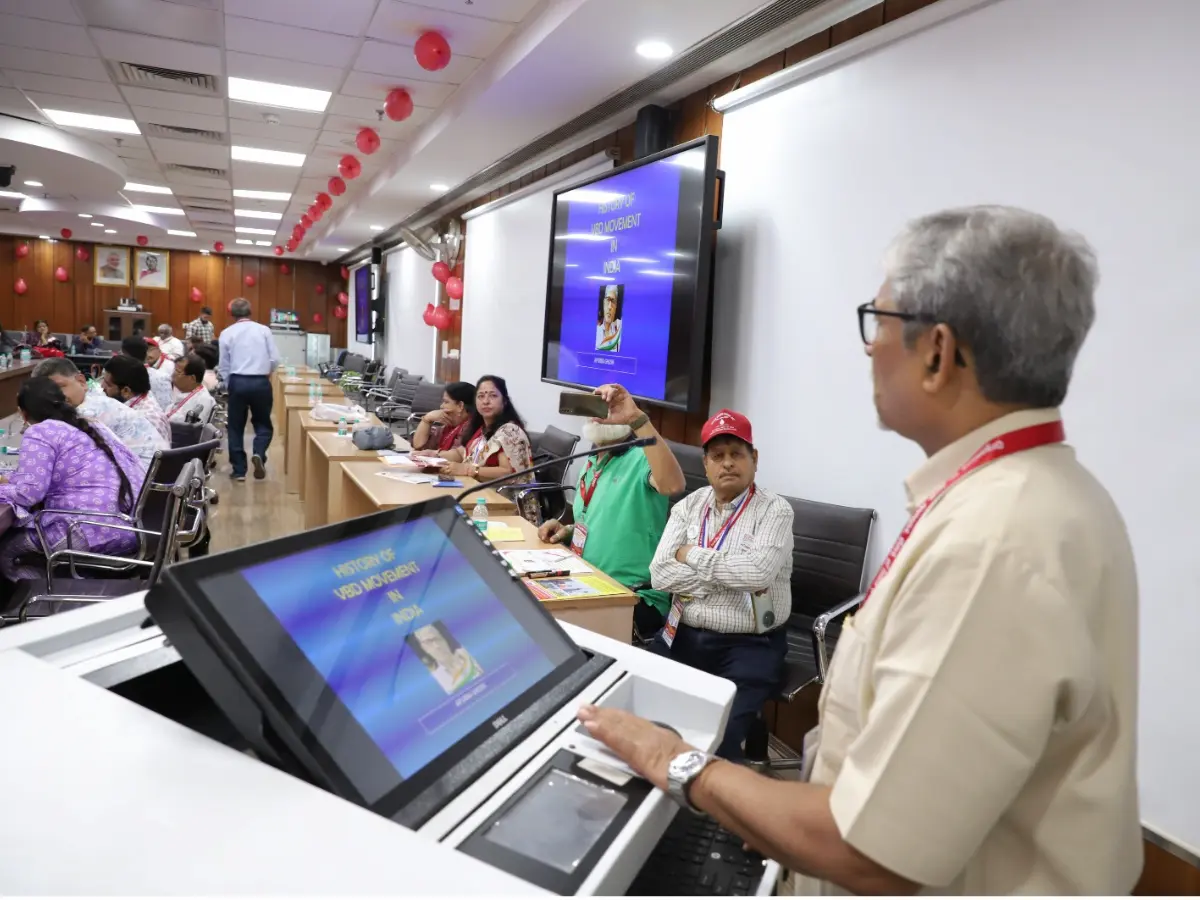
Dialogue and Participation at NIB Noida
Bringing community experience into institutional dialogue is important for awareness. Apurba Ghosh’s journey has included participation in forums where ideas and experiences related to blood donation are shared.
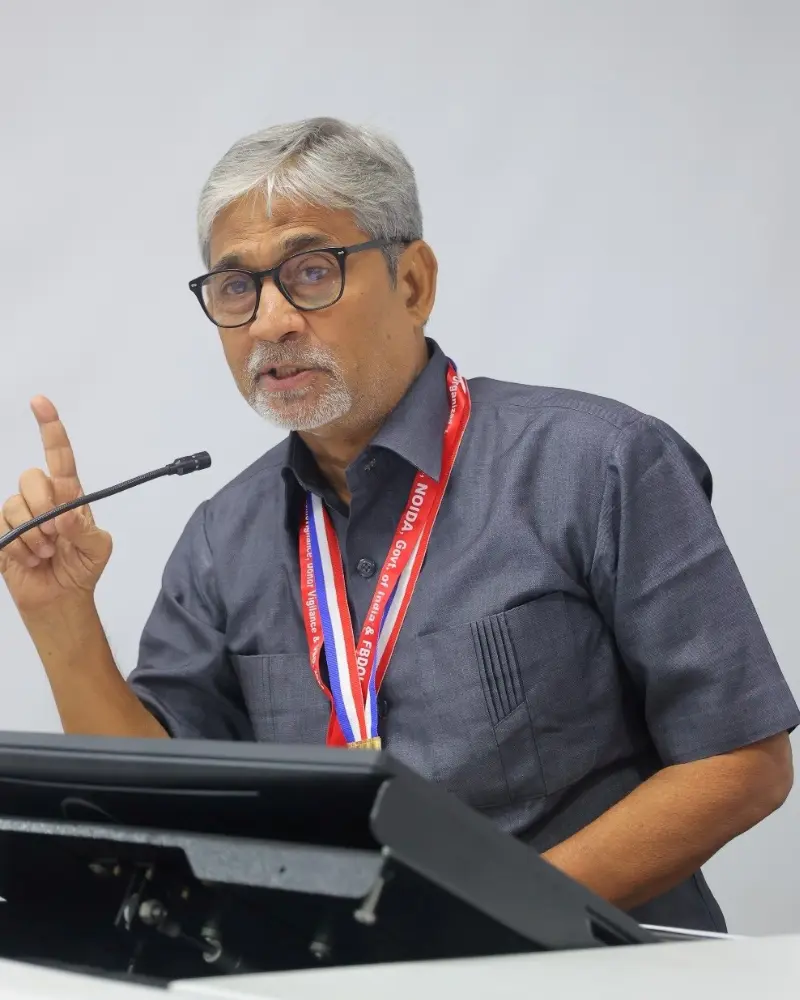
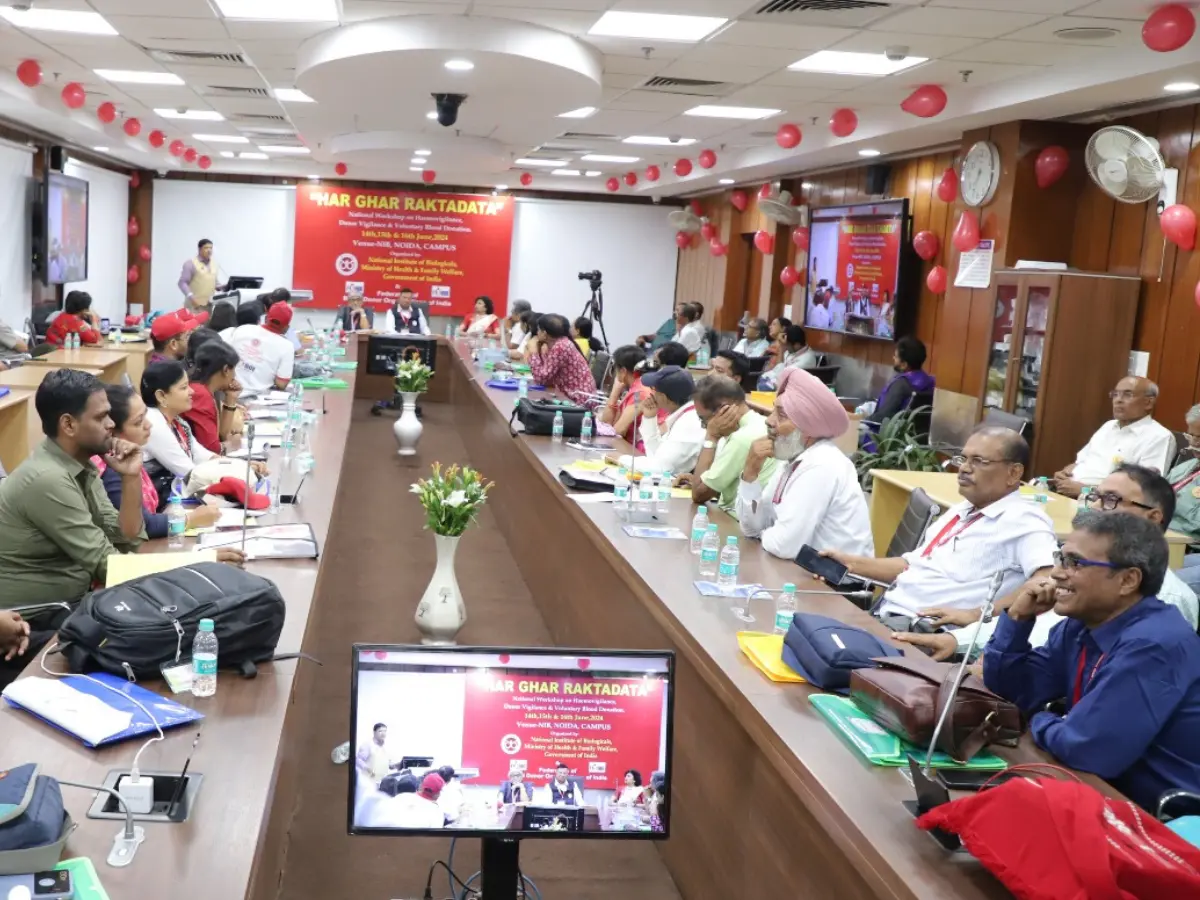
Photographs from National Institute of Biologicals, Noida programmes reflect this participation. Addresses and conferences give workers opportunities to present their views and learn from the experiences of others.
A worker who remains engaged with communities over many years gains a close understanding of people’s concerns and behaviour. Such experience helps connect awareness programmes with people’s actual needs.
Reaching Nepal and International Forums
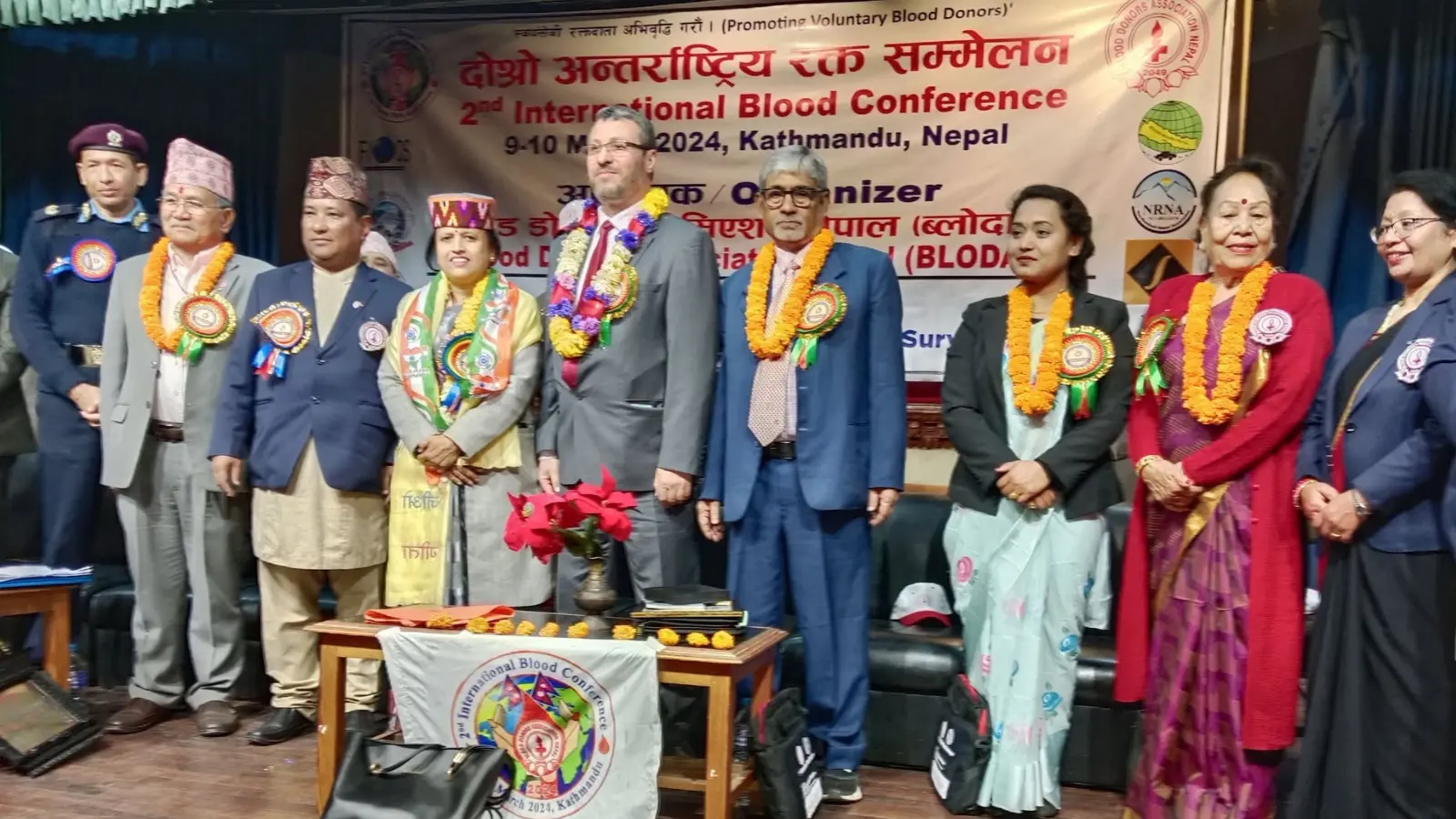
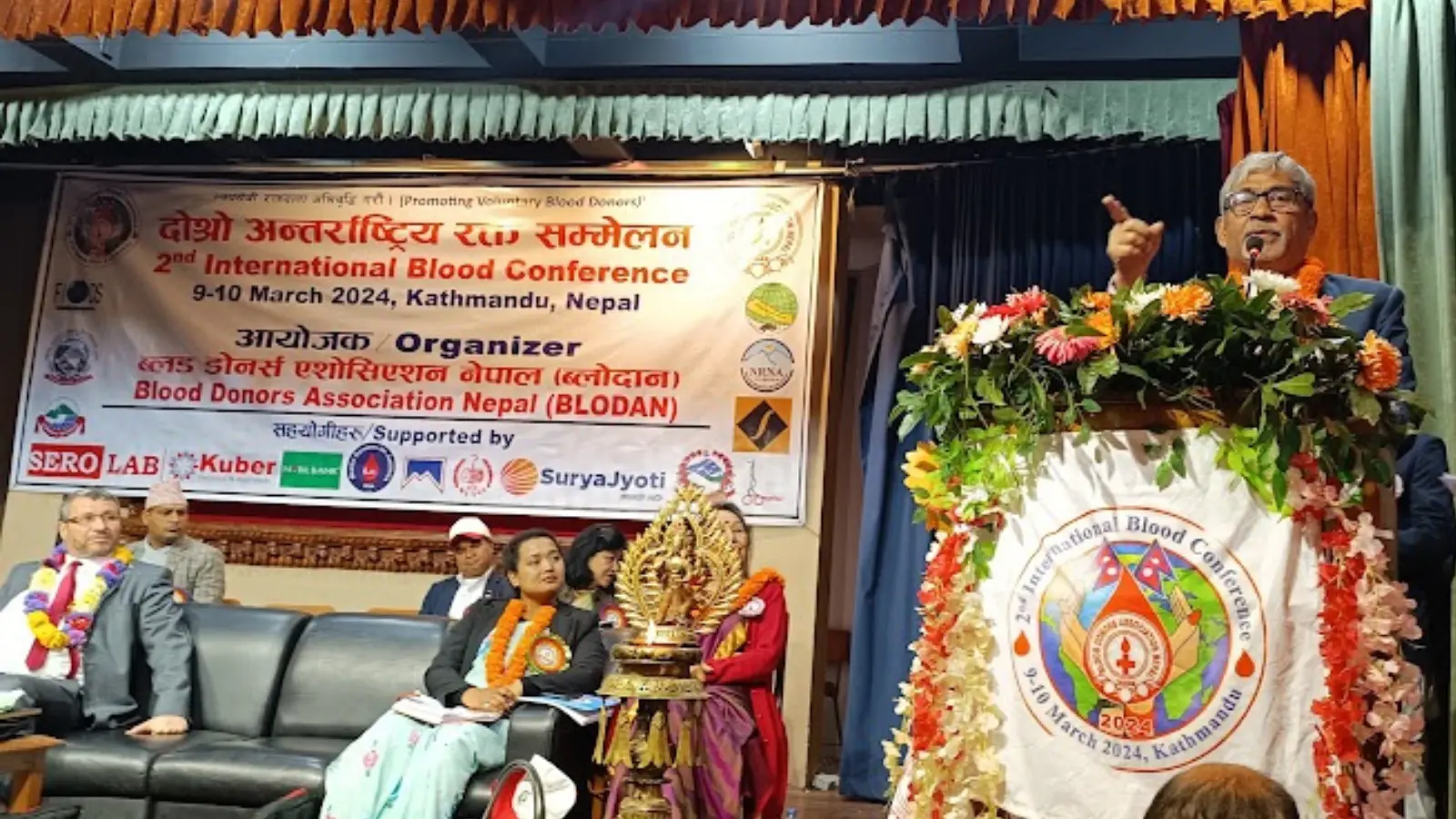
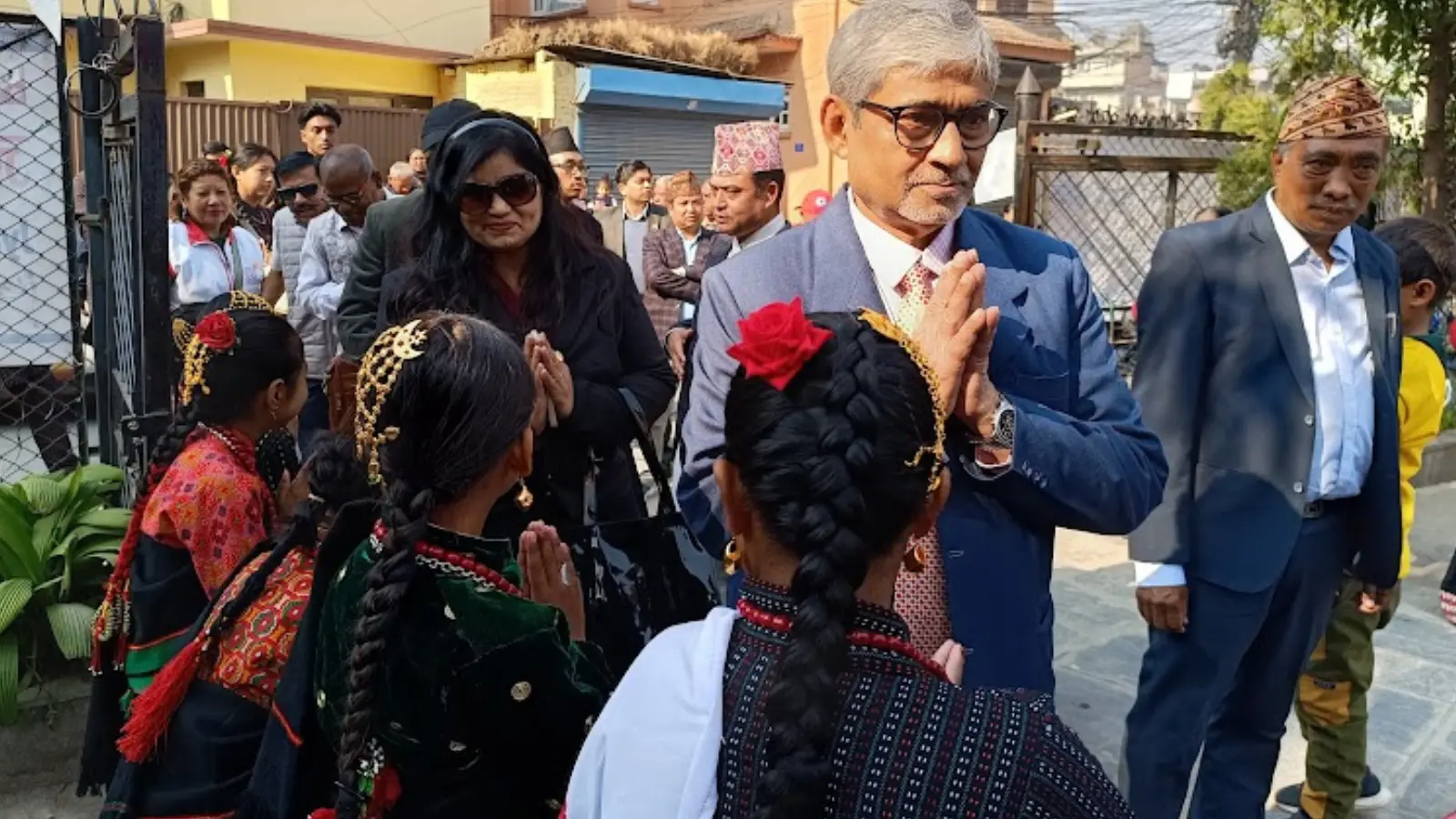
Apurba Ghosh’s work for blood donation awareness also extended beyond India’s borders. An available news report mentions his representation of India at voluntary blood donation conferences in 22 countries. The same report also records his travels to 64 countries.
Meeting workers from different countries offers opportunities to understand varied approaches to motivating communities. Discussions often centre on strengthening trust in blood donation and encouraging voluntary participation.
Photographs of programmes in Nepal preserve important memories of this journey. Languages and locations may change, but the aim of helping those in need brings people together through a shared sense of humanity.
Standing with Families Affected by Thalassemia
Understanding the distress of parents worried about their child’s treatment is an important part of service. Hospital visits, arranging blood and concerns about the future can place a heavy emotional burden on a family.
Accounts of Apurba Ghosh’s service mention efforts to mobilise support through blood donors for children affected by thalassemia. His work encourages society to respond to such families with compassion.
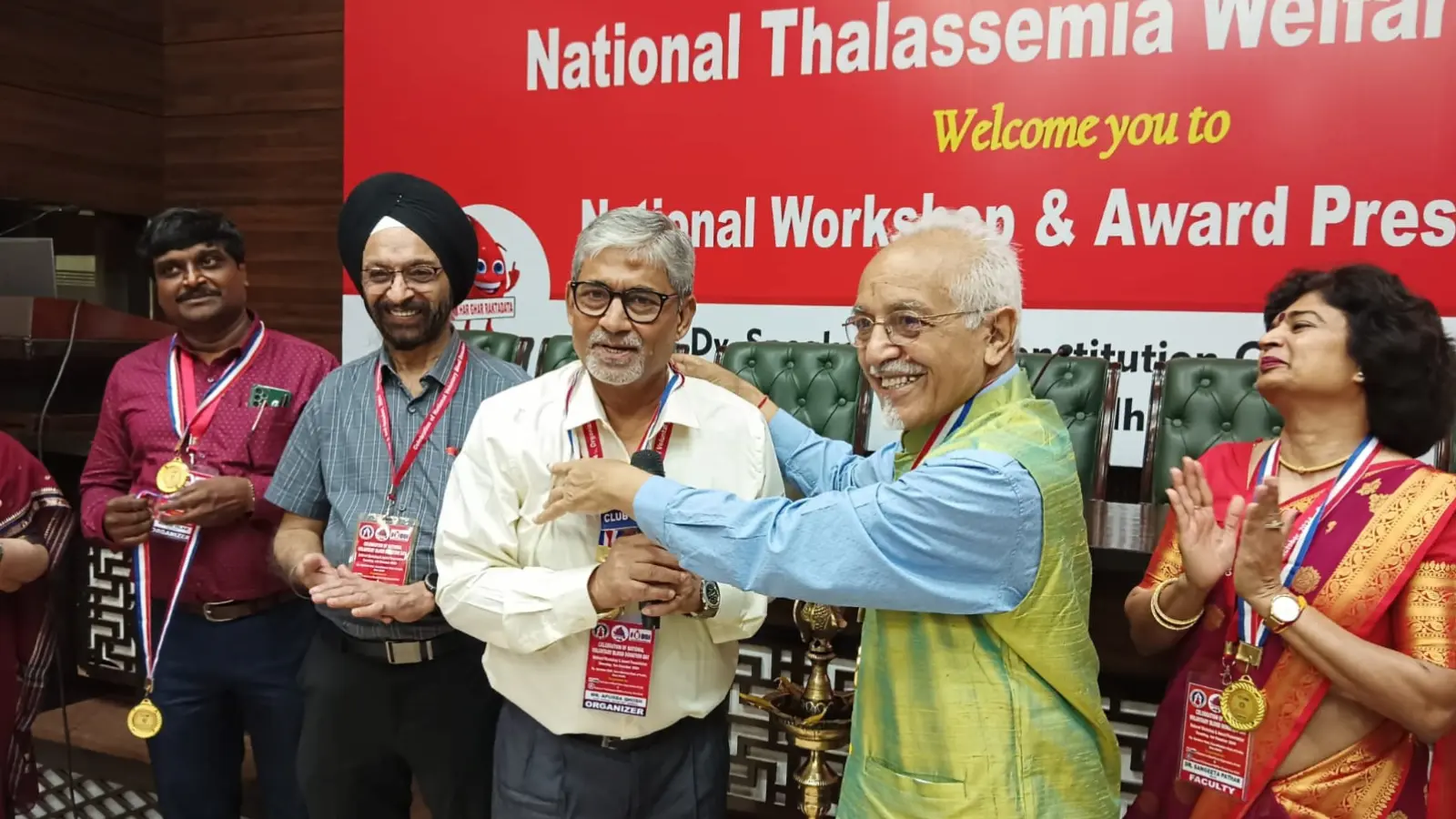
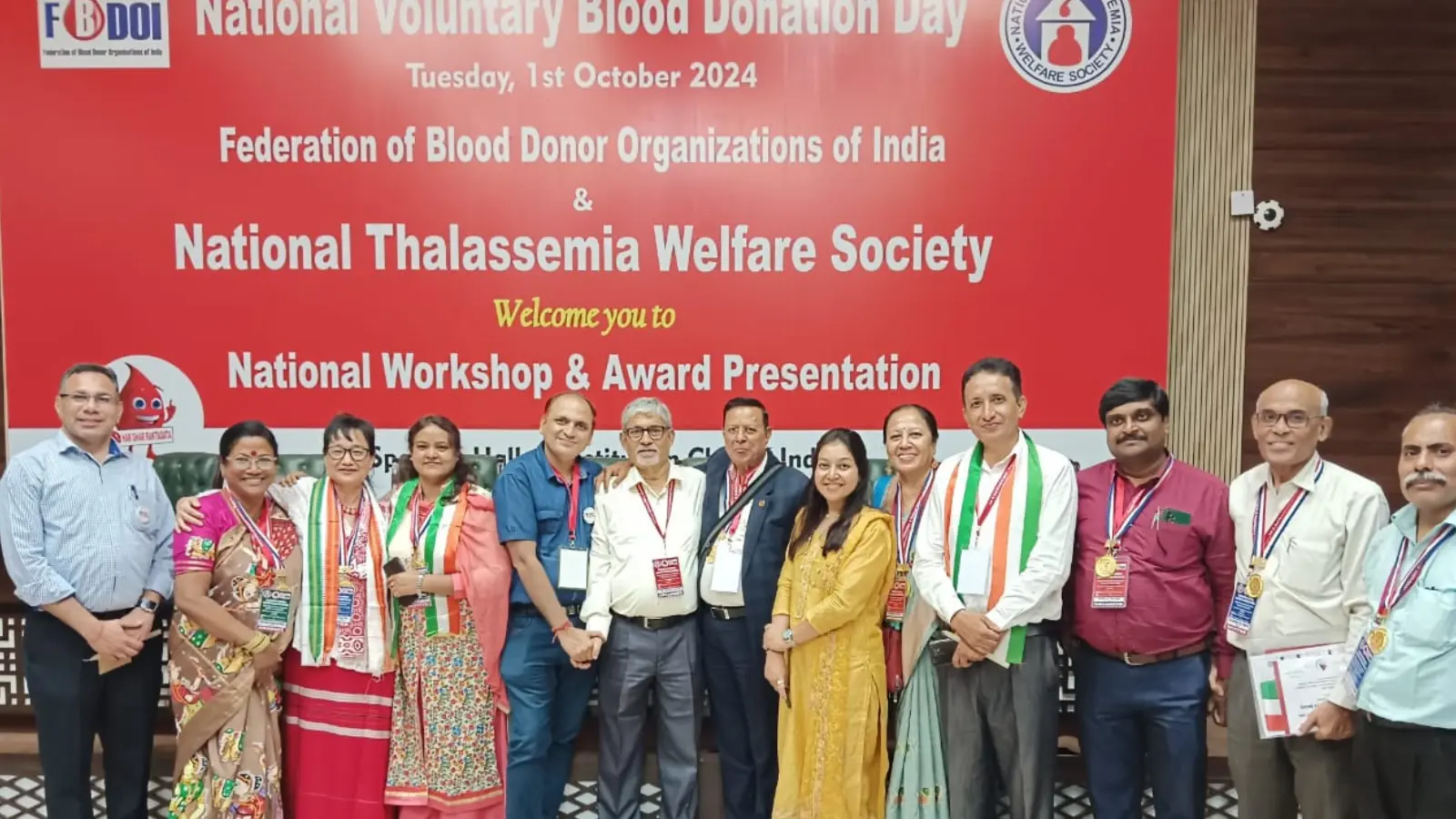
Photographs of a programme associated with the Thalassemia Welfare Society at the Constitution Club of India in New Delhi preserve memories of this connection. Such forums bring together individuals and organisations committed to service.
Do not let a child’s illness become a family’s solitary struggle. Timely support and respectful treatment are also important forms of service.
Mother Teresa’s Affection and Blessings
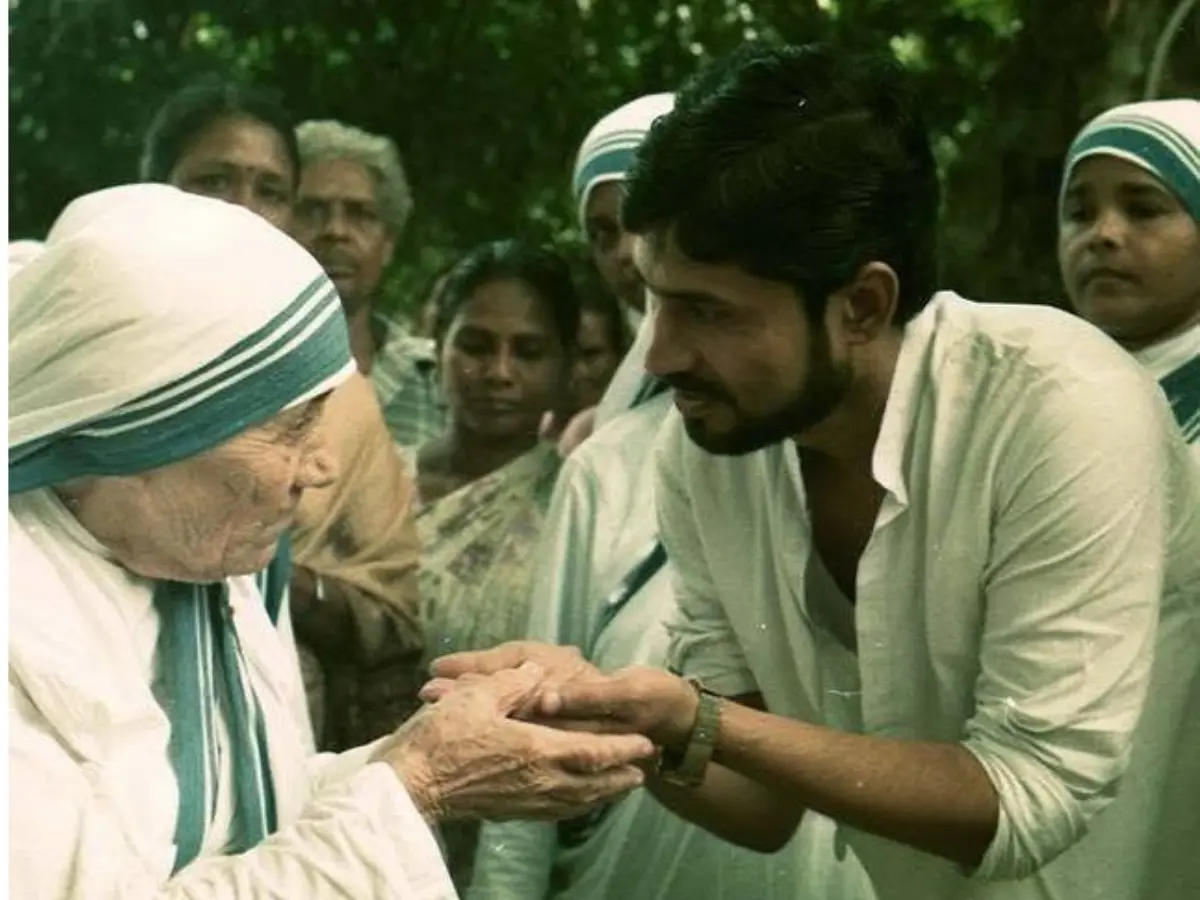
Among the special memories of Apurba Ghosh’s life are his encounters with Mother Teresa. Memories of her affection and blessings hold deep emotional significance for him, his children and his family.
An available news account mentions his meeting with Mother Teresa and assistance for children affected by thalassemia through blood donor contacts. This episode highlights the spirit of compassion and cooperation in his life.
The influence of people devoted to service lasts far beyond the time spent in their company. Their inspiration can be seen in the work and life choices of others. This photograph preserves one such inspiring memory.
Guidance from Padma Shri Kanta Sarup Kishanan
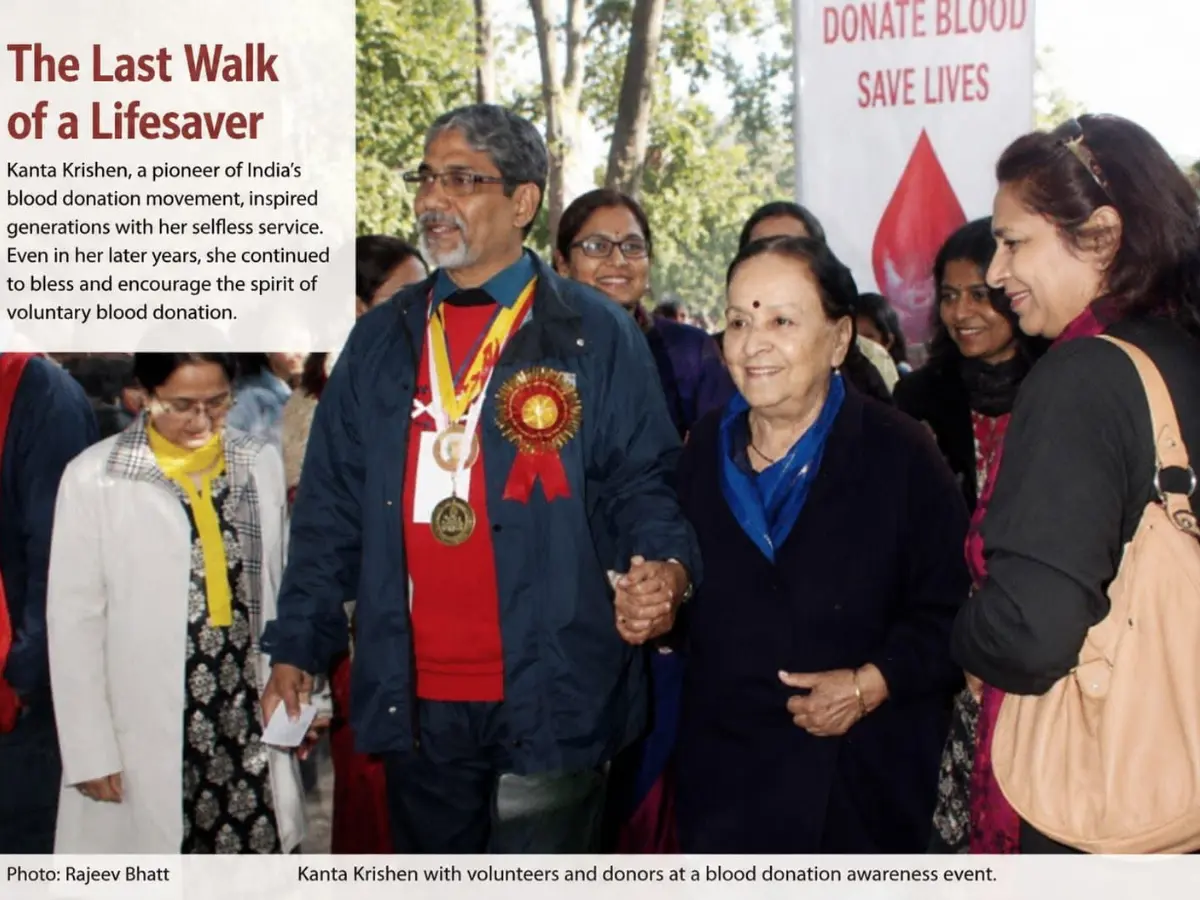
Apurba Ghosh remembers Padma Shri Kanta Sarup Kishanan with respect and gratitude. In the statement he shared, he describes her blessings as an important source of inspiration throughout his journey of service.
He recalls the significant work of the Blood Bank Society in Chandigarh under her leadership in advancing voluntary blood donation. He regards her contribution as an inspiring legacy within India’s blood donation movement.
In his statement, he acknowledges Dr. J. J. Jolly’s contribution as Founder President and her contribution as Founder Secretary General in the establishment of ISBTI. He describes it as his good fortune to have received her blessings more than a hundred times during his life.
For Apurba Ghosh, remembering this legacy means both honouring the past and connecting younger generations with the values of service. The guidance of experienced workers is a valuable resource for any social movement.
Spreading Awareness Through Radio and Books
Apurba Ghosh used several forms of communication to reach people. According to an available news report, he presented a phone-in programme on blood donation awareness on All India Radio, Kolkata, from 2000 to March 2012.
Such programmes allow people to ask questions and understand a subject in simple language. Accessible conversation builds confidence and encourages people to voice their concerns.
A news report mentions his 13 books relating to blood donor motivation, blood science and social service. Writing in Bengali, English, Assamese and Odia sought to bring the message to different communities of readers.
The Tribune identifies NACO as the supporting organisation for his live phone-in awareness programme on All India Radio, Kolkata. Running from 2000 to March 2012, it addressed fears, misconceptions and scientific facts surrounding blood donation, extending the conversation into listeners’ homes.
Recognition for Dedication
Available news accounts mention that Apurba Ghosh received the Second Kanta Krishen Award of Excellence for his long-standing contribution to voluntary blood donation. This marked an important occasion of public recognition for his sustained work.
Honouring a person devoted to service also recognises the shared spirit in which many donors, volunteers and organisations participate. These companions play an important role in sustaining years of dedicated effort.
Recognition is one milestone in a journey of service. Its lasting motivation comes from the needs of those for whom timely support from society matters deeply.
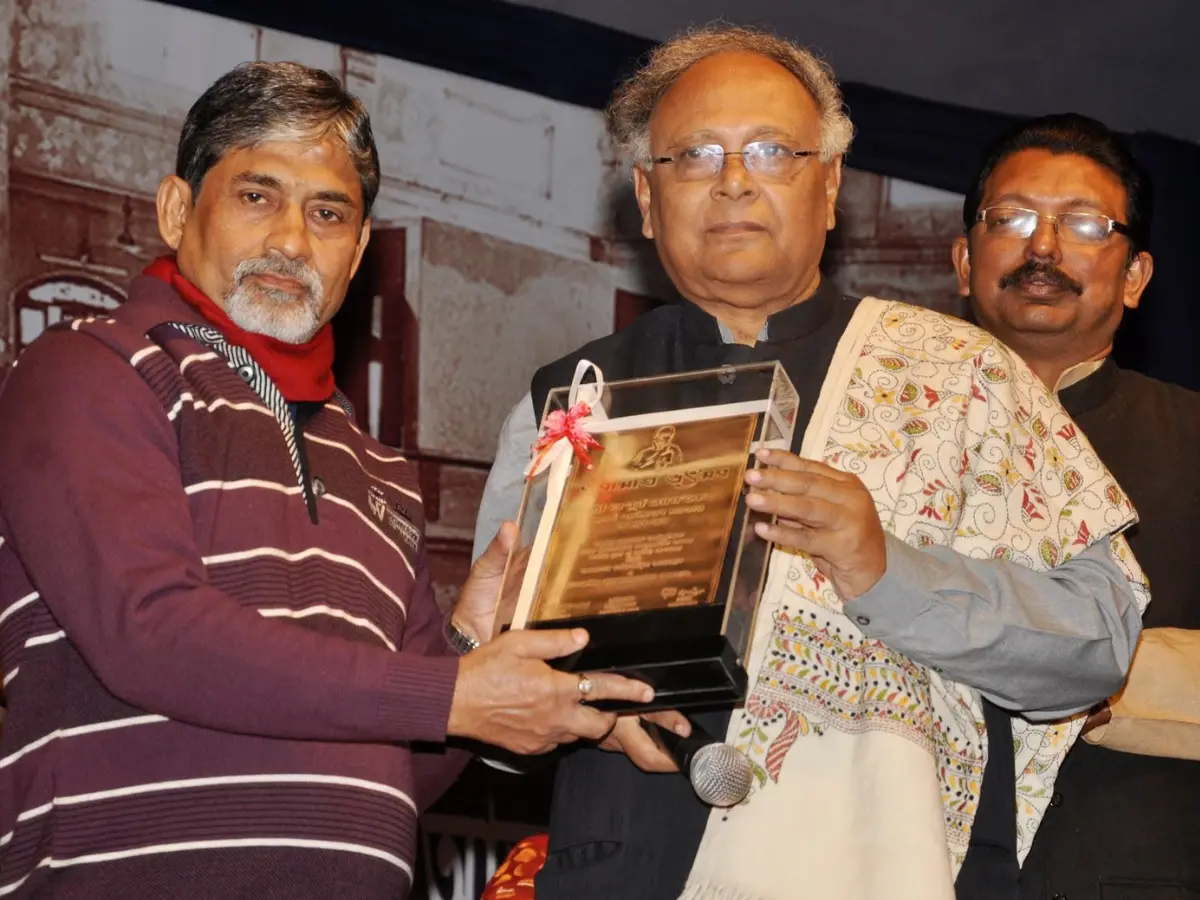
The Tribune’s report of 25 February 2026 identifies the Rotary and Blood Bank Society Resources Centre in Chandigarh as the organisation that honoured him with the Second Kanta Krishen Award of Excellence. Chandigarh Member of Parliament Manish Tewari, the chief guest, congratulated him and praised the organisational effort behind his camps and awareness rallies.
More Glimpses of a Journey of Service
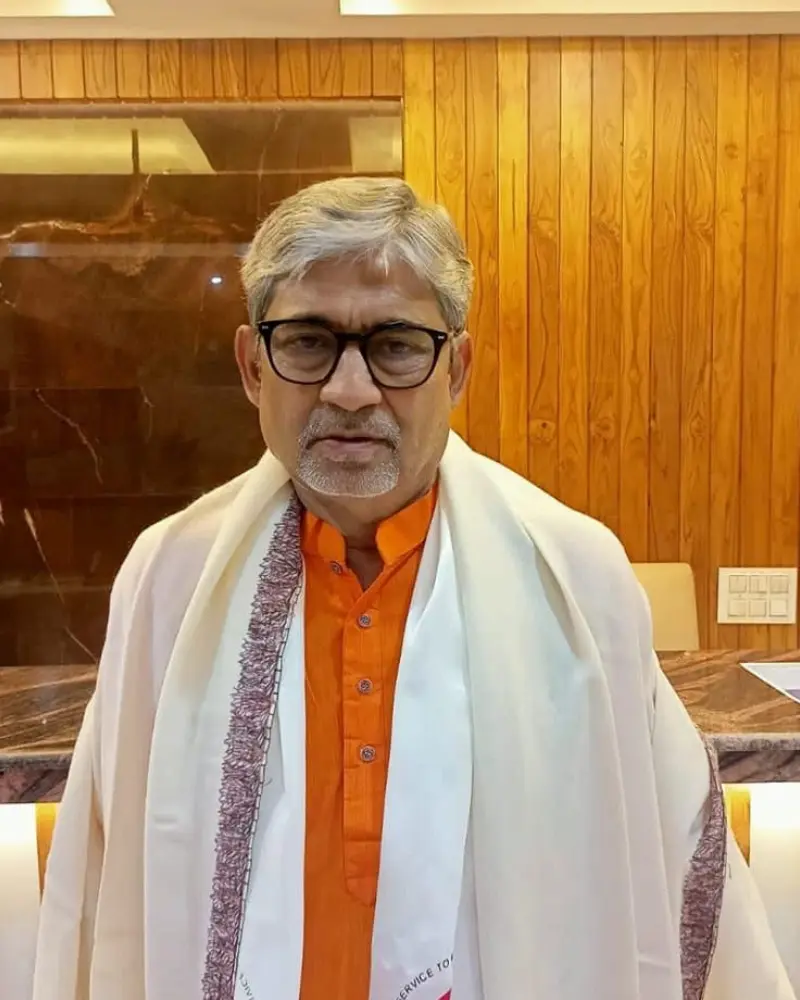
Photographs cannot tell the whole story of a long life, but they preserve its important moments. Whether showing an awareness message reaching the community or a worker engaged in conversation, these scenes reflect the continuity of service.
One Life, an Inspiration to Many
Apurba Ghosh’s journey cannot be measured solely in years, camps or travels. At its heart lies the compassion that transformed one family’s sorrow into a commitment to serve society.
From donating blood himself to building organisations, undertaking awareness journeys and engaging with communities, his life tells a story of sustained effort. It shows how one person’s initiative can inspire others to join in.
Let us increase awareness of voluntary blood donation and become a source of support, respect and hope for families in need.
MOMENTS OF RESPECT & GRATITUDE
Cherished Memories with Apurba Ghosh
A collection of memorable moments shared with Apurba Ghosh by Naresh Sharma, author, founder of RAKTDAAN.app and centurion blood donor from Shimla, Himachal Pradesh. These photographs celebrate a shared commitment to voluntary blood donation and service to humanity.
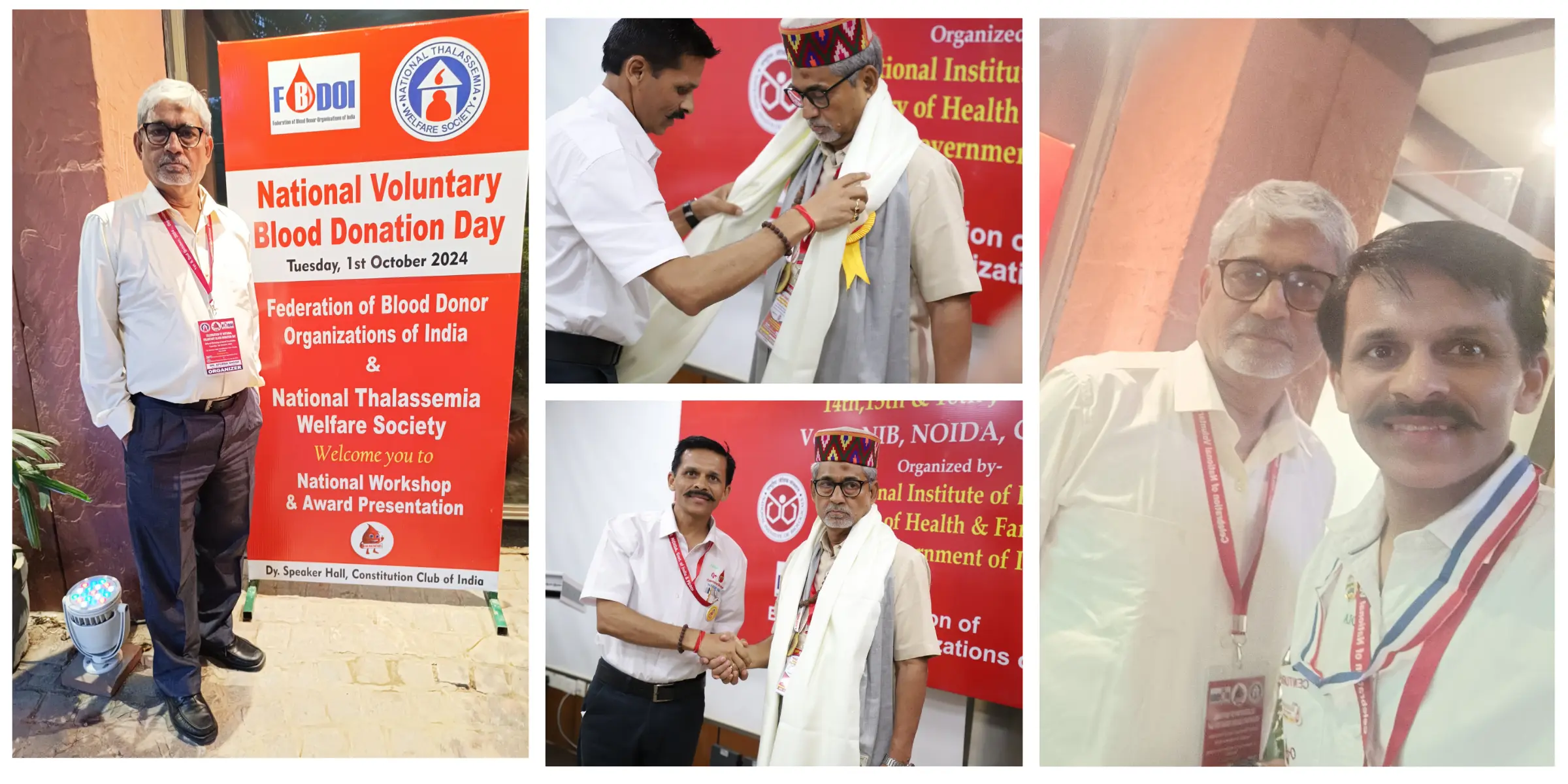
AUTHOR & FOUNDER
NARESH SHARMA
Founder, RAKTDAAN.app · Centurion Blood Donor
Shimla, Himachal Pradesh, India
Source and Editorial Note
Historical details about national committees, policy contributions, the meeting with Atal Bihari Vajpayee, medical student education and the award are attributed to Dushyant Singh Pundir’s report in The Tribune, updated on 25 February 2026. Donation and camp totals reflect the figures reported at that time; they are not live counters.
The separate statement about work associated with WHO, NBTC, NRHM and IRCS was supplied by the biography’s author. That statement is not independently established by this Tribune report.
An Inspiring Life Dedicated to the Service of Humanity
RAKTDAAN.APP · HONOURING A LEGACY OF SERVICE
What Makes Apurba Ghosh’s Journey an Inspiration?
For more than five decades, Apurba Ghosh has dedicated his life to voluntary blood donation and humanitarian service. Through blood donation camps, awareness campaigns and community engagement, he continues to inspire people to support patients and families in need.
Over five decades of dedication to voluntary blood donation.
Inspiring donors through camps, rallies and awareness campaigns.
Supporting children affected by thalassemia and their families.
Connecting donors and organisations as Secretary General of the Federation of Blood Donor Organizations of India.
More Stories That Inspire
Explore inspiring blood donor stories, useful awareness articles, and acts of service that encourage us to come forward and help save lives.
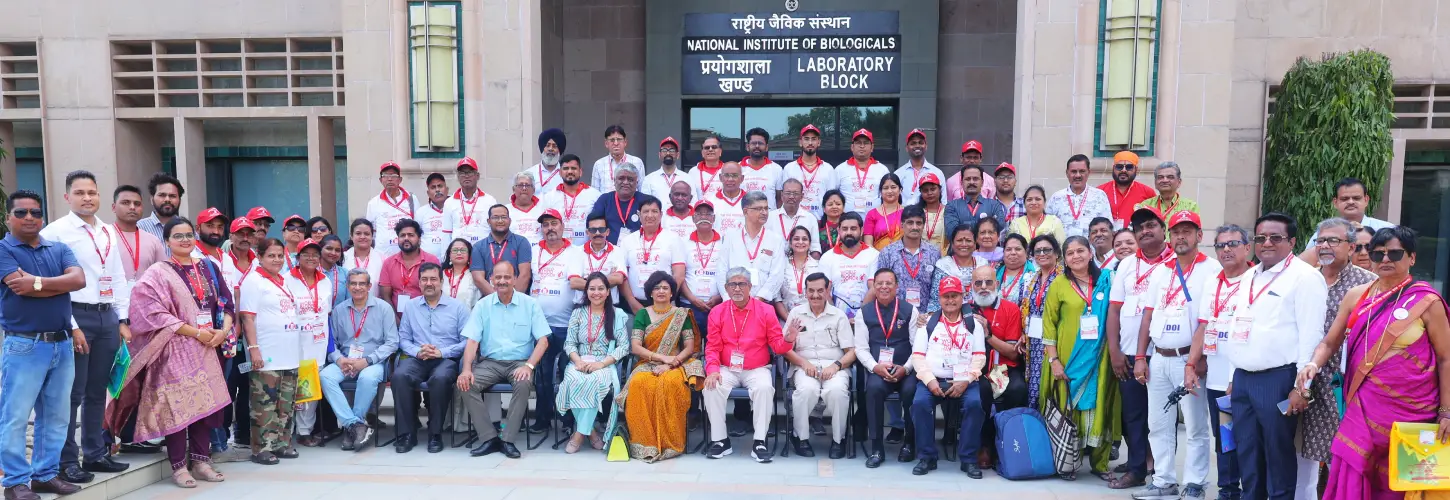
FBDOI: 22 Years of Strengthening India’s Voluntary Blood Donation Movement
Explore FBDOI’s inspiring 22-year journey since 2004, highlighting 22 national conferences, the growth of voluntary blood donation organisations, and its commitment to saving lives through awareness, unity, and humanitarian service…
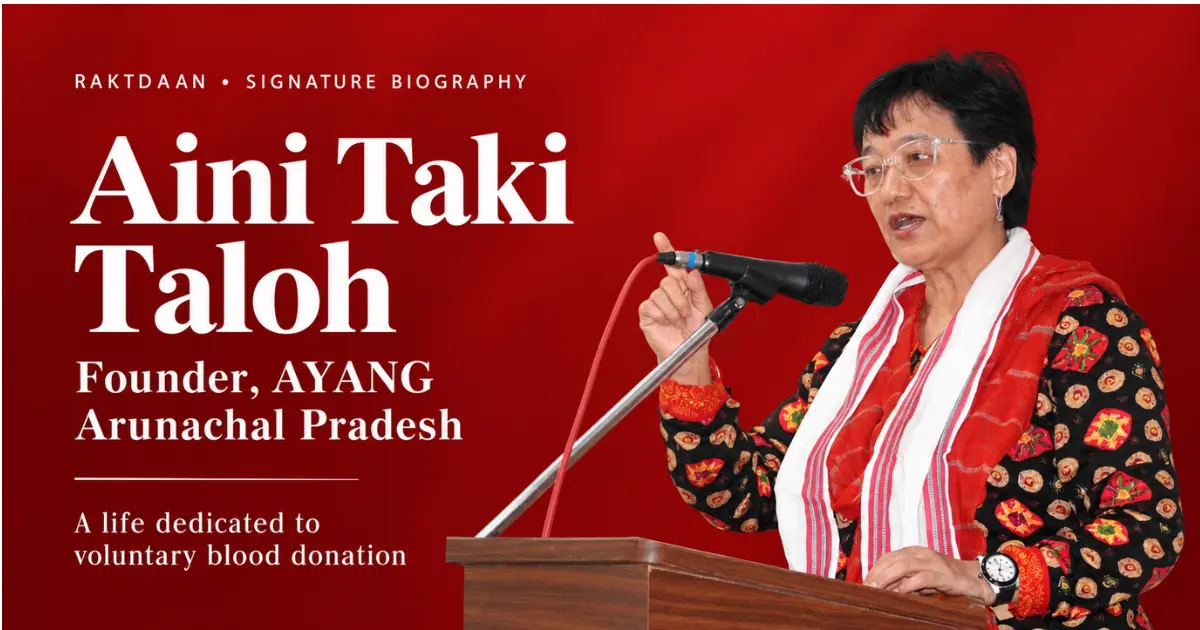
Aini Taki Taloh: Four Decades of Compassion, Blood Donation and Service to Humanity
Aini Taki Taloh, affectionately known as ‘Ayi’, has dedicated nearly four decades to humanitarian service. As AYANG’s founder and FBDOI Vice President, she inspires voluntary blood donation, youth participation and…
Apurba Ghosh: Five Decades of Saving Lives and Inspiring Blood Donors
RAKTDAAN.APP • SIGNATURE LEGACY BIOGRAPHY A LIFE DEDICATED TO SAVING LIVES APURBA GHOSH Centurion Blood DonorBlood Donation MotivatorSocial Worker Secretary General Federation of Blood Donor Organizations of India…